
Managing your money effectively starts with finding the right home for your funds. Many people in the United States feel overwhelmed by the sheer number of options available today. Understanding how to choose a bank account requires looking beyond simple convenience.
You must align your selection with your specific financial goals. Whether you want to pay bills easily or grow your wealth, the right partner makes a significant difference. Start by evaluating your daily habits and long-term plans.
Most individuals begin with a standard checking account for everyday expenses. However, exploring various bank account types like savings, money market, or certificates of deposit can provide better returns. We will compare costs, access options, and unique features to help you make an informed decision.
Key Takeaways
- Identify your primary needs before opening any new financial product.
- Compare monthly fees and minimum balance requirements across different institutions.
- Prioritize accessibility through mobile apps and local branch availability.
- Use checking options for liquidity and savings vehicles for growth.
- Review interest rates on high-yield products to maximize your earnings.
How to Choose a Bank Account
Selecting the right bank account is the foundation of your financial health. By aligning your banking tools with your specific goals, you can manage your money with greater confidence and efficiency.
Match the Account Type to Your Primary Goal
Checking Accounts for Everyday Spending
A checking account serves as the hub for your daily financial life. It is designed for frequent transactions, such as paying bills, buying groceries, or withdrawing cash at an ATM.
Savings Accounts for Short-Term Goals and Emergency Funds
When you need to set money aside for a rainy day, a savings account is your best option. It provides the liquidity required for an emergency fund while keeping your money separate from your daily spending cash.
Money Market Accounts and Certificates of Deposit for Higher Balances
If you have a larger balance, a money market account often offers higher interest rates while maintaining check-writing capabilities. Alternatively, a certificate of deposit is ideal if you can lock away your funds for a set period to earn a guaranteed return.
Define How You Plan to Use the Account
Estimate Monthly Deposits, Withdrawals, and Transfers
Before opening an account, look at your typical monthly activity. If you move money frequently, ensure your chosen bank does not charge excessive fees for transfers or limit your transaction volume.
Decide Whether You Need Branch Access, ATMs, or Digital Banking
Consider if you prefer visiting a physical branch or if you are comfortable with a digital-only experience. Many modern banks offer robust mobile apps that allow you to deposit checks and manage your balance from anywhere.
Consider Joint Ownership, Direct Deposit, and Automatic Transfers
Think about whether you need to share access with a partner or spouse. Setting up direct deposit and automatic transfers can also help you stay consistent with your savings goals.
| Account Type | Best For | Liquidity | Interest Potential |
|---|---|---|---|
| Checking | Daily Expenses | High | Low |
| Savings | Emergency Fund | Medium | Moderate |
| Money Market | Higher Balances | Medium | High |
| Certificate of Deposit | Long-Term Goals | Low | Highest |
Compare Bank Account Fees, Rates, and Features
Beyond just finding a place to store cash, you should evaluate the specific bank account fees and growth potential of every account. Taking the time to compare these details ensures that your money works for you rather than disappearing into service charges.
Review the Total Cost of Banking
Monthly Maintenance Fees and Waiver Requirements
Many institutions charge monthly maintenance fees to keep your account active. However, you can often avoid these costs by maintaining a minimum balance or setting up a recurring direct deposit. Always check if the waiver requirements fit your current financial situation.
ATM, Overdraft, Returned Payment, and Excess Withdrawal Fees
Hidden costs can quickly erode your balance if you are not careful. Be aware of ATM fees when using out-of-network machines, as these can add up over time. Additionally, review policies regarding overdrafts and returned payments to avoid unexpected penalties.
Minimum Opening Deposits and Minimum Balance Rules
Some accounts require a specific amount to open, while others demand a minimum daily balance to avoid service charges. Choosing an account with rules that match your liquidity needs is essential for long-term success.

Evaluate How the Account Helps Your Money Grow
Annual Percentage Yield on Savings and Money Market Accounts
The annual percentage yield (APY) is a critical metric for measuring how much interest your savings will earn over a year. High-yield savings accounts and money market accounts typically offer better rates than standard checking options. Always prioritize accounts that provide competitive returns on your deposited funds.
Interest Rates, Terms, and Early Withdrawal Penalties for CDs
Certificates of Deposit (CDs) offer fixed interest rates for a set term, making them great for long-term goals. Be mindful that withdrawing your money before the term ends usually triggers a penalty. Carefully weigh the interest rate against the potential need for early access to your cash.
FDIC Insurance and Deposit Coverage Limits
Safety is just as important as growth. Ensure your chosen bank is backed by FDIC insurance, which protects your deposits up to $250,000 per depositor. This coverage provides peace of mind knowing your money is secure even if the bank faces financial trouble.
Compare Access, Security, and Digital Tools
ATM Networks, Branch Locations, and Cash Deposit Options
Consider how easily you can access your cash when you need it. A large ATM network or a wide range of branch locations can save you from paying unnecessary ATM fees. If you frequently handle physical cash, verify that the bank offers convenient deposit options.
Mobile Check Deposit, Bill Pay, Budgeting Tools, and Account Alerts
Modern banking relies heavily on digital convenience. Look for features like mobile check deposit and integrated bill pay to streamline your finances. Many banks also provide budgeting tools and real-time account alerts to help you stay on top of your spending.
Fraud Monitoring, Two-Factor Authentication, and Card Controls
Security features are non-negotiable in the digital age. Robust fraud monitoring and two-factor authentication protect your account from unauthorized access. Furthermore, the ability to lock your debit card instantly via a mobile app provides an extra layer of control.
| Feature Type | Standard Checking | High-Yield Savings | Certificate of Deposit |
|---|---|---|---|
| Primary Goal | Daily Transactions | Emergency Fund | Long-term Growth |
| Interest Potential | Low to None | High APY | Fixed, Higher APY |
| Access Level | High (ATM/Debit) | Moderate | Low (Locked Term) |
| Fee Structure | Monthly Fees | Minimal Fees | Early Withdrawal Penalty |
Choose and Reassess the Right Bank Account
Selecting a financial home for your money is a significant step that deserves a structured approach. By following a clear process, you can ensure that your chosen institution aligns with your long-term objectives rather than just offering a temporary perk.
Use a Simple Decision Checklist
Before you commit to a new provider, take a moment to evaluate the core services that will impact your daily life. Modern online banking and mobile banking platforms have changed how we manage our finances, making it easier than ever to track spending from anywhere.
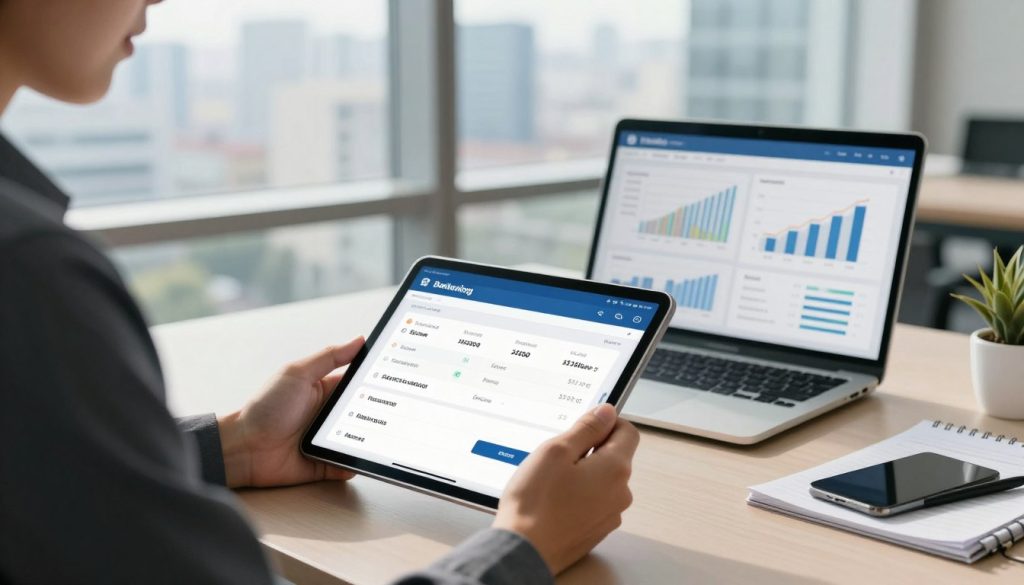
Look for accounts that minimize monthly maintenance fees while offering high-yield interest rates. Ensure that your ATM access is widespread, as frequent out-of-network charges can quickly erode your savings. Always prioritize institutions that provide transparent fee structures over those with hidden costs.
Read the Account Agreement Before Opening an Account
The fine print contains vital information regarding how your money is handled. Never skip the account agreement, as it outlines the specific terms that govern your relationship with the bank.
“The best way to protect your financial future is to understand exactly what you are signing up for before you deposit your first dollar.”
Verify Transfer Limits, Deposit Availability, and Customer Support Options
Confirm that the bank offers FDIC insurance to keep your deposits safe. You should also check their daily transfer limits and how quickly deposited funds become available for use. Reliable customer support is essential, so test their response times via chat or phone before finalizing your decision.
| Feature | Standard Bank | Digital-First Bank |
|---|---|---|
| Monthly Fees | Often High | Usually Zero |
| Interest Rates | Minimal | Competitive |
| Support | In-Person | 24/7 Digital |
Reevaluate the Account as Your Goals Change
Your financial situation is not static, and your banking needs will likely shift as you grow. Periodically assessing your setup ensures that you are not paying for services you no longer use.
Review Fees, Interest Rates, and Features at Least Once a Year
Set a reminder to audit your accounts annually. Compare your current rates against the market to see if a better option exists. Staying proactive prevents your money from sitting in an underperforming account.
Consider Separate Accounts for Spending, Emergency Savings, and Planned Expenses
Using different accounts for specific goals helps you maintain better discipline. Keep your daily spending money separate from your emergency fund to avoid accidental withdrawals. This strategy provides clarity and peace of mind as you work toward your financial milestones.
Conclusion
Selecting the right bank account serves as the foundation for your long-term financial health in the United States. Your choice impacts how you manage daily spending, emergency savings, and future goals.
Look for institutions that offer clear terms regarding overdraft fees to protect your balance. Setting up a direct deposit ensures your paycheck arrives safely and on time. This simple step often helps you avoid monthly maintenance charges at major banks like Chase or Bank of America.
Consider if a joint bank account fits your household needs. Sharing access can simplify bill payments and tracking for couples or families. You might also explore automatic transfers to move money into high-yield savings accounts without manual effort.
Review your banking setup at least once a year. Your life changes, and your financial tools should adapt to support your current situation. Staying proactive keeps your money working hard for you every single day.