
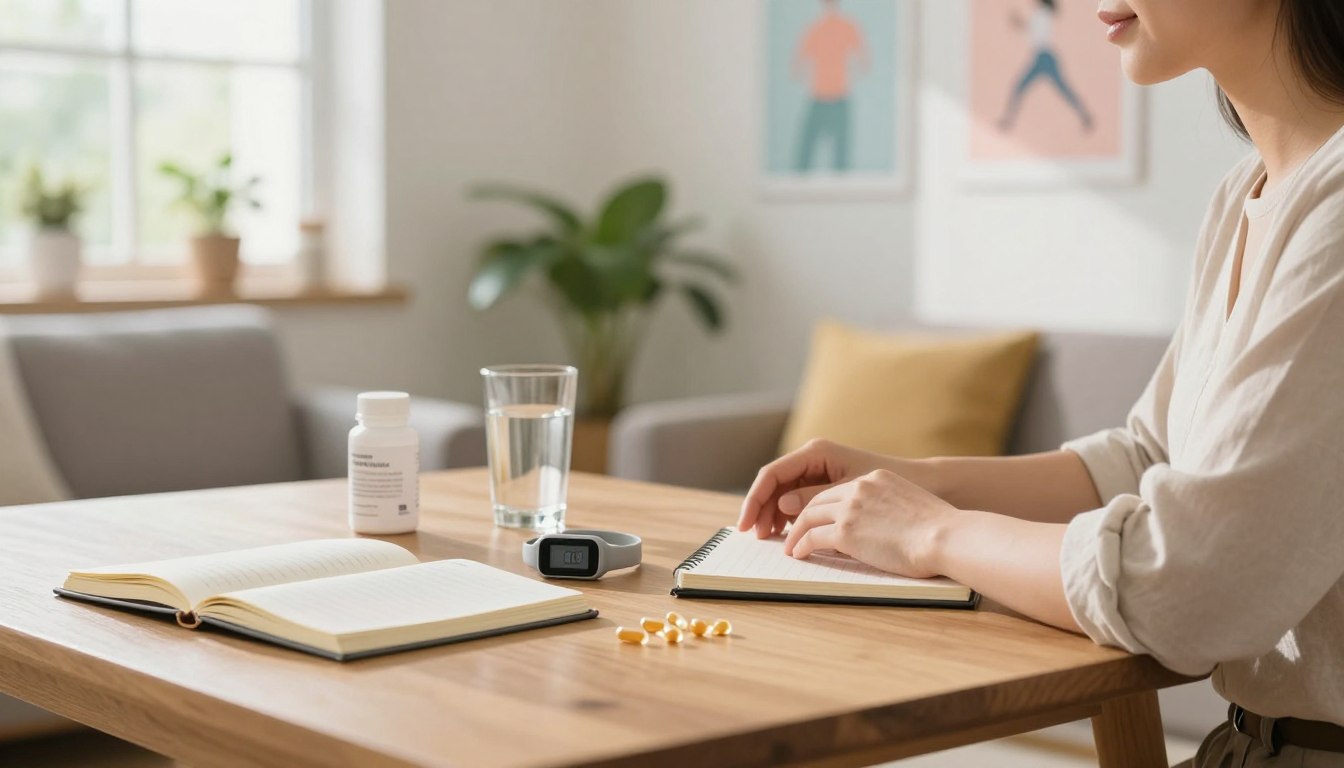
Did you know that nearly 80% of Americans now use digital tools to track their daily wellness? This huge shift shows that people are finally putting their well-being first. Taking charge of your body has never been easier than it is today.
Checking your vitals often helps you spot small changes before they turn into big problems. By starting steady self health monitoring routines, you can stay ahead of the curve. It is truly about feeling your best every single day.
Building simple personal health tracking habits lets you understand your body in a whole new way. This guide offers easy tips to get you started without any stress. You deserve to live a vibrant life with total confidence.
Key Takeaways
- Consistency leads to better long-term results.
- Modern apps make data entry quick and easy.
- Focus on how you feel, not just the numbers.
- Share your findings with a medical professional.
- Start with one simple habit at a time.
- Celebrate small wins in your wellness journey.
Why Self-Health Monitoring Matters for Your Wellbeing
Monitoring your health daily can have a significant impact on your overall quality of life. By incorporating daily health check-ins into your routine, you can better understand your body’s needs and respond to potential health issues before they become serious.
Understanding the Benefits of Regular Health Tracking
Regular health tracking offers numerous benefits, including the ability to identify patterns and trends in your health. This information can help you make informed decisions about your lifestyle and healthcare. Wellness monitoring practices can also enhance your overall wellbeing by encouraging healthy habits and preventive care.
By tracking your health regularly, you can gain insights into how different factors such as diet, exercise, and stress affect your body. This knowledge empowers you to make positive changes and maintain a healthier lifestyle.
How Daily Monitoring Helps You Catch Problems Early
Daily monitoring allows you to detect potential health issues early, when they are easier to manage. By keeping track of your vital signs and other health indicators, you can identify anomalies that may signal a problem. Early detection is crucial for effective treatment and preventing complications.
For instance, monitoring your blood pressure daily can help you recognize if it’s trending upwards, allowing you to consult with your healthcare provider before it becomes a serious issue.
Taking Control of Your Health Journey
Self-health monitoring puts you in the driver’s seat when it comes to your health. By taking an active role in tracking your health, you can make informed decisions about your care and work collaboratively with your healthcare providers.
This proactive approach not only improves your health outcomes but also enhances your overall sense of wellbeing and confidence in managing your health.
Essential Health Metrics to Track Every Day
Understanding your body’s daily health metrics is key to maintaining a healthy lifestyle. By monitoring certain health indicators regularly, you can identify potential issues early and make informed decisions about your health.
Vital Signs You Can Easily Monitor at Home
Tracking vital signs at home is a simple yet effective way to stay on top of your health. These measurements can provide critical insights into your body’s functioning.
Blood Pressure and Heart Rate Basics
Monitoring your blood pressure and heart rate daily can help you detect any abnormalities. High blood pressure is a significant risk factor for heart disease, while an irregular heart rate can indicate underlying health issues.
As noted by the American Heart Association, “Regular monitoring of blood pressure can help you understand your heart health and make necessary lifestyle changes.”
Body Temperature Tracking
Your body temperature is another vital sign that can indicate health issues. Normal body temperature ranges from 97.7°F to 99.5°F (36.5°C to 37.5°C). Deviations from this range could signal infection or other health concerns.
Physical Indicators That Tell Your Health Story
Beyond vital signs, other physical indicators can provide valuable insights into your health. These include weight, body measurements, and energy levels.
Weight and Body Measurements
Tracking your weight and body measurements can help you monitor changes in your body composition. This information is crucial for adjusting your diet and exercise routines as part of your health maintenance habits.
Energy and Fatigue Levels
Monitoring your energy levels and fatigue can help you understand how your lifestyle choices are impacting your health. Persistent fatigue might indicate underlying issues that need medical attention.
Mental and Emotional Wellness Markers
Mental and emotional wellbeing is just as important as physical health. Tracking markers such as mood, stress levels, and sleep quality can help you maintain a balanced self-care routine.
“Taking care of your mental health is crucial for your overall wellbeing,” as emphasized by mental health professionals. Incorporating practices like meditation and journaling into your daily routine can significantly improve your mental health.
By focusing on these essential health metrics and incorporating them into your daily self-care routines, you can take proactive steps towards maintaining optimal health.
Building Effective Self Health Monitoring Routines
Establishing a consistent self-health monitoring routine can be a game-changer for your overall wellbeing. By incorporating simple and effective practices into your daily life, you can gain a deeper understanding of your health and make informed decisions to improve it.
Designing Your Morning Health Check-in Ritual
Starting your day with a health check-in can set a positive tone and provide valuable insights into your current state. This ritual can be as simple as taking a few minutes each morning to assess your physical and mental condition.
Step 1: Take Your Baseline Measurements
Begin by taking your vital signs, such as heart rate, blood pressure, and body temperature. These baseline measurements will help you understand your body’s normal state and detect any deviations.
Step 2: Record Your Sleep Quality
Assess your sleep quality by noting the duration and quality of your sleep. This information can be crucial in understanding your energy levels and overall health.
Step 3: Assess Your Mental State
Take a moment to reflect on your mental state. Note any stress, anxiety, or feelings of overwhelm. This practice helps in identifying patterns and triggers, allowing you to take proactive steps towards mental wellbeing.
Creating Your Evening Assessment Practice
An evening assessment practice helps you reflect on your day’s activities and identify areas for improvement. It’s an opportunity to adjust your habits and plan for the next day.
Reviewing Your Day’s Activities
Review your day’s activities, noting what you ate, how much you exercised, and any significant events. This reflection can help you understand how your daily choices impact your health.
Tracking Symptoms or Changes
Pay attention to any symptoms or changes in your body. Tracking these can help you identify potential health issues early on.
Scheduling Weekly and Monthly Deep-Dive Reviews
In addition to daily check-ins, scheduling weekly and monthly reviews can provide a more comprehensive view of your health. These deeper dives allow you to analyze trends and make meaningful adjustments.
| Review Frequency | Activities | Benefits |
|---|---|---|
| Daily | Take baseline measurements, record sleep quality, assess mental state | Early detection of health issues, improved mental clarity |
| Weekly | Review daily logs, track progress, adjust habits | Identify patterns, make informed decisions |
| Monthly | Analyze trends, set health goals, plan interventions | Long-term health planning, sustained progress |
By integrating these practices into your routine, you can develop a robust self-health monitoring system that supports your overall wellbeing.
Choosing the Right Tools for Personal Health Tracking
With numerous health tracking options available, choosing the most suitable tools is crucial for monitoring your wellbeing. The right tools can make a significant difference in your ability to track your health effectively and make informed decisions.
Must-Have Home Monitoring Devices
Home monitoring devices have revolutionized the way we track our health. These devices provide accurate and reliable data, enabling you to monitor your health from the comfort of your own home.
Digital Blood Pressure Monitors
Digital blood pressure monitors are a must-have for individuals who need to track their blood pressure regularly. These devices are easy to use and provide accurate readings. Some popular brands include Omron and Withings.
Smart Scales and Fitness Trackers
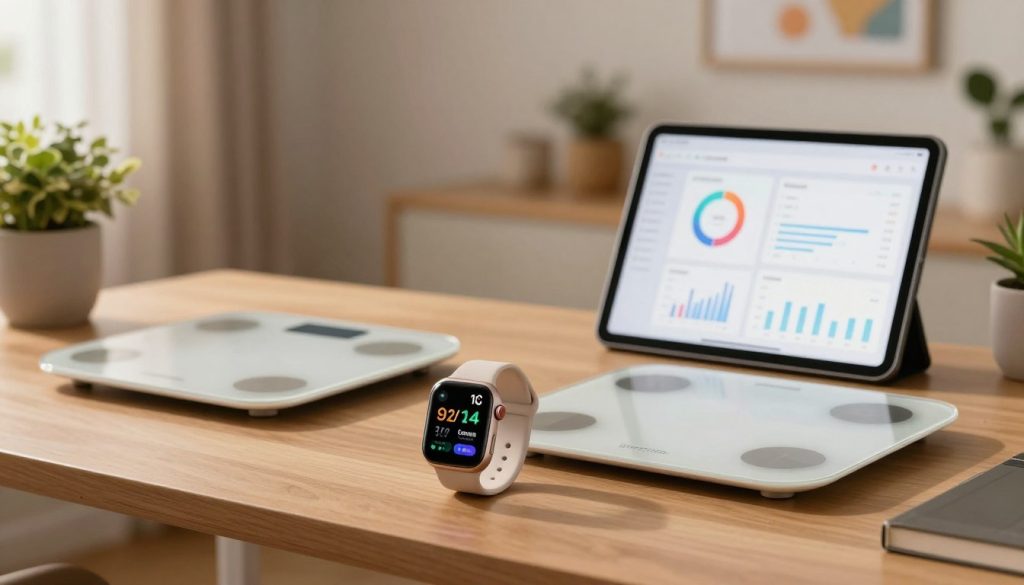
Smart scales and fitness trackers are excellent tools for monitoring your physical health. They can track metrics such as weight, body fat percentage, and daily activity levels. Brands like Fitbit and Garmin offer a range of devices that cater to different needs and preferences.
| Device | Key Features | Price Range |
|---|---|---|
| Digital Blood Pressure Monitor | Accurate blood pressure readings, easy to use | $20-$100 |
| Smart Scale | Tracks weight, body fat percentage, and more | $50-$200 |
| Fitness Tracker | Monitors daily activity, heart rate, and sleep | $50-$300 |
Best Mobile Apps and Digital Health Journals
Mobile apps and digital health journals offer a convenient way to track your health on-the-go. These tools allow you to record your health data, set reminders, and access your information from anywhere.
Some popular health tracking apps include MyFitnessPal for nutrition tracking and Headspace for mental wellbeing. Digital health journals like Day One provide a secure and private space to record your health notes and observations.
Simple Paper-Based Tracking Methods
For those who prefer a more traditional approach, paper-based tracking methods can be an effective way to monitor your health. Keeping a health journal or using a printed log can help you stay organized and focused on your health goals.
Paper-based methods can be particularly useful for tracking specific health metrics, such as blood sugar levels or medication adherence. By using a simple log or chart, you can easily monitor your progress and identify patterns or trends.
Monitoring Your Physical Health Day by Day
Daily monitoring of physical health is a proactive step towards a healthier lifestyle. By keeping track of various health metrics, you can identify patterns, catch potential issues early, and make informed decisions about your wellbeing. This proactive approach is a key component of effective health maintenance habits and self-care routines.
How to Track Your Cardiovascular Health
Cardiovascular health is a critical aspect of overall physical wellbeing. Monitoring it involves tracking a few key metrics that can provide insights into your heart’s health.
Measuring Blood Pressure Correctly
To measure blood pressure correctly, ensure you’re in a relaxed state. Sit comfortably with your back supported, and keep your arm at heart level. Avoid caffeine and smoking for at least 30 minutes before measurement. Use a reliable blood pressure monitor, and take multiple readings for accuracy. Record your readings at the same time each day to track changes over time.
Understanding Your Resting Heart Rate
Your resting heart rate (RHR) is another important indicator of cardiovascular health. It’s the number of heartbeats per minute while you’re at rest. A normal RHR ranges from 60 to 100 beats per minute. To measure your RHR, count your pulse first thing in the morning, before getting out of bed. A lower RHR often indicates better cardiovascular fitness.
Keeping Tabs on Weight and Body Composition
Monitoring your weight and body composition can provide valuable insights into your overall health. Use a reliable scale to track your weight, and consider investing in a body fat percentage monitor for a more detailed understanding of your body composition. Changes in weight or body fat percentage can signal shifts in your health status.
Recording Your Energy Patterns and Physical Symptoms
Tracking your energy levels and any physical symptoms can help you identify patterns and potential health issues. Keep a daily log to record how you’re feeling, noting any instances of fatigue, pain, or other symptoms. This information can be invaluable when discussing your health with a healthcare provider.
Tracking Sleep Quality for Better Recovery
Sleep plays a crucial role in physical health, affecting recovery, hormone regulation, and overall wellbeing. Use a sleep tracker or keep a sleep diary to monitor your sleep patterns. Pay attention to factors like sleep duration, sleep quality, and the number of times you wake during the night. Improving sleep quality can have a significant positive impact on your physical health.
Making Daily Health Check-ins a Lasting Habit
Daily health check-ins can become a seamless part of your routine with the right approach. By incorporating simple yet effective strategies into your daily life, you can make health monitoring a sustainable habit. This involves setting realistic goals, leveraging existing routines, and overcoming potential obstacles.
Setting Achievable Monitoring Goals for Your Lifestyle
Setting achievable goals is crucial for maintaining a consistent health monitoring routine. Start by identifying what aspects of your health you want to track and set specific, measurable objectives. For example, you might aim to monitor your blood pressure daily or track your physical activity weekly.
Tips for Setting Achievable Goals:
- Be realistic about what you can accomplish
- Start small and gradually increase the intensity or frequency of your monitoring
- Make sure your goals are aligned with your lifestyle and preferences
Using Habit Stacking to Build Consistency
Habit stacking involves building new habits onto existing ones, making it easier to incorporate health check-ins into your daily routine.
Pairing Health Checks with Existing Routines
Identify routines you already perform daily, such as brushing your teeth or having breakfast, and pair your health checks with these activities. For instance, you could check your blood pressure immediately after waking up or log your food intake while having breakfast.
Creating Reminder Systems That Work
Reminder systems can be invaluable for maintaining consistency. You can set reminders on your phone, use a health tracking app, or even place sticky notes in strategic locations.

Troubleshooting Common Roadblocks
Despite your best efforts, you may encounter challenges. Common roadblocks include lack of motivation, forgetfulness, and difficulty in understanding the data you’re collecting.
| Roadblock | Solution |
|---|---|
| Lack of Motivation | Remind yourself of your goals and the benefits of health monitoring. Celebrate small victories along the way. |
| Forgetfulness | Implement a robust reminder system and pair health checks with existing routines. |
| Difficulty Understanding Data | Consult with a healthcare professional or use user-friendly health tracking apps that provide insights and recommendations. |
Knowing When to Consult Your Healthcare Provider
While self-health monitoring is a powerful tool for maintaining wellness, there are times when professional medical guidance is necessary. As you continue on your health journey, it’s essential to recognize the signs that indicate you should seek advice from your healthcare provider.
Warning Signs That Need Professional Attention
Certain health metrics and symptoms require immediate attention from a healthcare professional. These include:
- Unusual or unexplained changes in vital signs, such as heart rate or blood pressure
- Severe or persistent pain
- Difficulty breathing or shortness of breath
- Unexplained weight loss or gain
- Changes in mental or emotional state, such as increased anxiety or depression
It’s crucial to trust your instincts and seek medical help if you’re concerned about your health, even if you’re not sure what’s wrong.
How to Share Your Self-Monitoring Data with Your Doctor
When you do consult your healthcare provider, having your self-monitoring data ready can be incredibly helpful. Here are some tips for sharing this information effectively:
- Keep a log of your health metrics, including dates and times of measurements.
- Use a format that’s easy for your doctor to understand, such as a spreadsheet or a graph.
- Highlight any unusual readings or patterns you’ve noticed.
- Be prepared to discuss how you’ve been feeling and any symptoms you’ve experienced.
Balancing Self-Care with Professional Medical Guidance
While self-health monitoring is an important part of maintaining your wellbeing, it’s equally important to know when to seek professional help. By understanding the limitations of self-monitoring and being aware of when to consult your healthcare provider, you can strike a balance between self-care and professional medical guidance.
Effective wellness monitoring practices involve not just tracking your health metrics, but also being proactive about seeking help when you need it. By doing so, you can ensure that you’re getting the most out of your personal health tracking habits.
Conclusion
By incorporating self-health monitoring into your daily life, you take a significant step towards maintaining your overall wellbeing. Regular tracking of vital signs, physical indicators, and mental wellness markers empowers you to catch potential health issues early and make informed decisions about your care.
Establishing effective self-care routines and health maintenance habits is crucial for a healthy lifestyle. By leveraging the right tools and techniques, you can make health monitoring a sustainable and rewarding part of your daily routine.
As you move forward, remember that self-health monitoring is a journey, not a destination. Stay committed to your health goals, and don’t hesitate to seek professional guidance when needed. With persistence and the right mindset, you can achieve a healthier, more balanced life.