
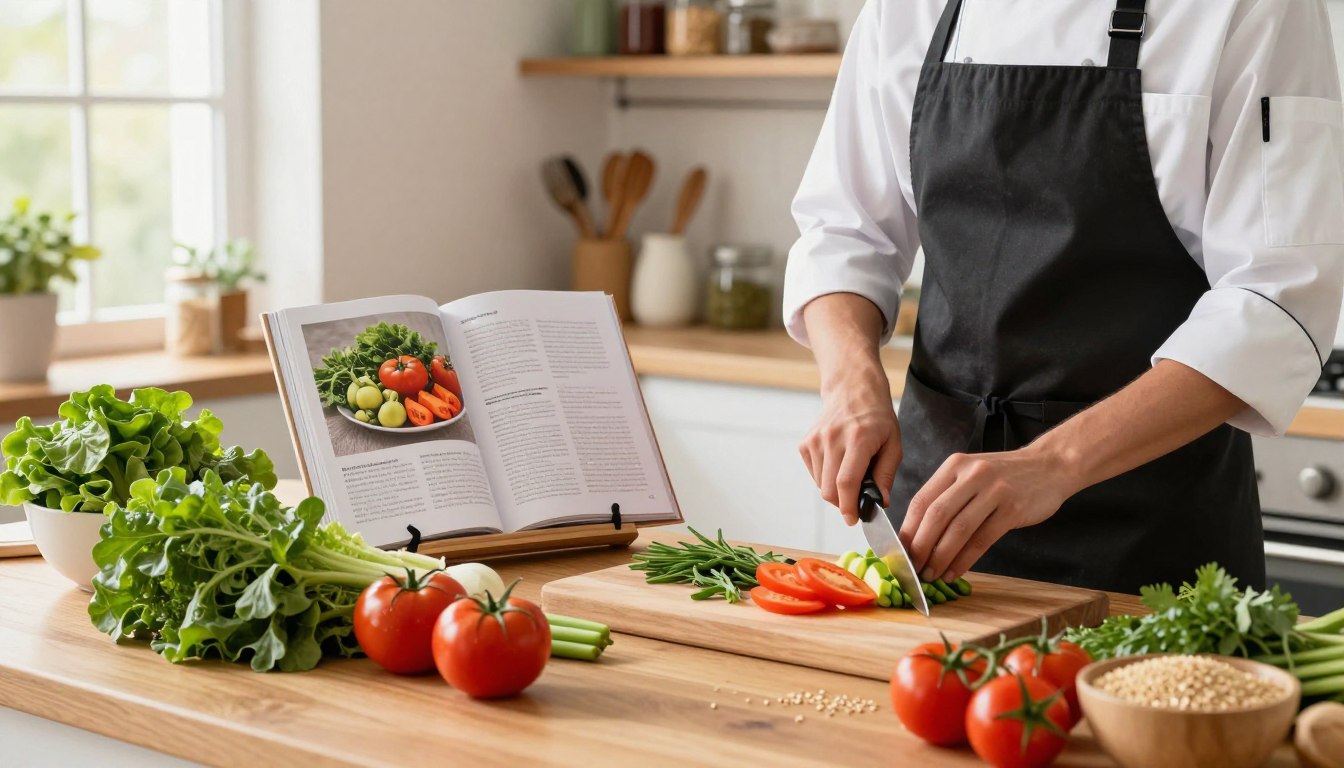
Did you know that the average American rotates between just ten meals for their entire life? Breaking this repetitive cycle can feel daunting, but it is the secret to a vibrant life. When you start testing healthy recipes at home, you open a door to better energy and an improved mood.
Exploring fresh flavors helps you stay excited about your personal wellness goals. Finding new nutritious meal ideas doesn’t have to be a chore or take hours in the kitchen. Imagine tasting a dish that feels like a cheat meal but actually fuels your body for the day.
Cooking at home allows you to control every single component, from salt to added sugars. This journey is about more than just fuel; it is about discovering what makes you feel your absolute best. Stepping outside your comfort zone can turn a boring dinner into a nutritious adventure for the whole family.
Taking small steps in the kitchen leads to massive changes in your overall daily vitality. You might find a new favorite snack or a dinner that everyone loves. Let’s dive into how you can transform your kitchen into a sanctuary of wellness and joy.
Key Takeaways
- Discovering new ingredients boosts your overall nutritional variety.
- Experimenting with nutritious dishes improves your cooking confidence.
- Home cooking gives you total control over every ingredient.
- Variety prevents boredom while you pursue your wellness goals.
- Fresh flavors make wholesome eating feel like a daily treat.
- Small changes in the kitchen lead to long-term wellness habits.
Why Start Testing Healthy Recipes at Home
Testing healthy recipes at home can be a game-changer for your overall well-being. By incorporating easy healthy recipes into your daily routine, you can significantly improve your health and cooking skills.
One of the primary advantages of testing healthy recipes at home is the numerous health benefits associated with it. Let’s explore some of these benefits:
Health Benefits of Trying New Nutritious Dishes
- Improved nutrition through the use of fresh and wholesome ingredients
- Reduced risk of chronic diseases by avoiding processed foods
- Weight management through balanced and portion-controlled meals
- Increased intake of essential vitamins and minerals
By engaging in nutritious recipe testing, you can discover new flavors and ingredients that not only taste great but also provide significant health benefits.
Building Your Cooking Confidence and Skills
Cooking at home allows you to experiment with various ingredients and techniques, thereby enhancing your cooking skills. As you try out best healthy recipes, you’ll become more confident in your ability to prepare delicious and nutritious meals.
This confidence boost can lead to a more enjoyable cooking experience and encourage you to continue exploring new recipes.
Discovering What Works for Your Lifestyle
Testing healthy recipes at home gives you the flexibility to adjust ingredients and portion sizes according to your dietary needs and preferences. Whether you’re looking for easy healthy recipes for busy weeknights or exploring vegan options, home cooking allows you to tailor your meals to suit your lifestyle.
By doing so, you can identify the recipes that work best for you and your family, making healthy eating a sustainable and enjoyable part of your daily routine.
How to Choose the Best Healthy Recipes for Testing
The journey to finding the perfect healthy recipe starts with understanding where to look and what to consider. With the vast array of recipes available online and in cookbooks, it can be overwhelming to decide where to begin.
When it comes to selecting healthy recipes, the source is crucial. A credible healthy recipe blog can provide not only delicious recipes but also nutritional insights and cooking tips.
Evaluating Recipe Sources and Healthy Recipe Blogs
Not all recipe sources are created equal. It’s essential to evaluate the credibility of the source. Look for blogs and websites run by nutritionists, dietitians, or experienced chefs. Check if the recipes are backed by scientific evidence and if the nutritional information is provided.
“A good recipe is like a good friend – it should make you feel good, not just fill you up.”
Some popular healthy recipe blogs are known for their healthy recipe ideas and detailed cooking instructions. They often include user reviews and ratings, which can be helpful in deciding whether to try a recipe.
Selecting Easy Healthy Recipes for Beginners
For those new to cooking healthy meals, starting with simple recipes is advisable. Look for recipes labeled as “easy” or “for beginners.” These recipes typically require fewer ingredients and less complicated cooking techniques.
- Start with basic recipes like salads, soups, and one-pot dishes.
- Choose recipes with ingredients that are easily available in your local grocery store.
- Opt for recipes with step-by-step instructions and photos.
Considering Dietary Preferences Like Testing Vegan Recipes
Dietary preferences and restrictions play a significant role in choosing the right recipes. For those interested in testing vegan recipes, there are numerous resources available. Vegan recipes exclude all animal products, including dairy and eggs, and focus on plant-based ingredients.
| Dietary Preference | Key Ingredients to Focus On | Key Ingredients to Avoid |
|---|---|---|
| Vegan | Plant-based proteins, fruits, vegetables | Dairy, eggs, honey |
| Gluten-Free | Gluten-free grains, fruits, vegetables | Wheat, barley, rye |
| Low-Carb | Proteins, healthy fats, non-starchy vegetables | Sugary foods, grains, starchy vegetables |
By considering your dietary preferences and skill level, you can narrow down the vast world of healthy recipes to those that are perfect for you to test and enjoy.
Preparing Your Kitchen for Testing Healthy Recipes
Before diving into the world of healthy meal prep recipes, it’s essential to prepare your kitchen for the culinary adventure ahead. A well-prepared kitchen not only makes the cooking process more efficient but also enhances your overall cooking experience.
Essential Tools and Equipment You’ll Need
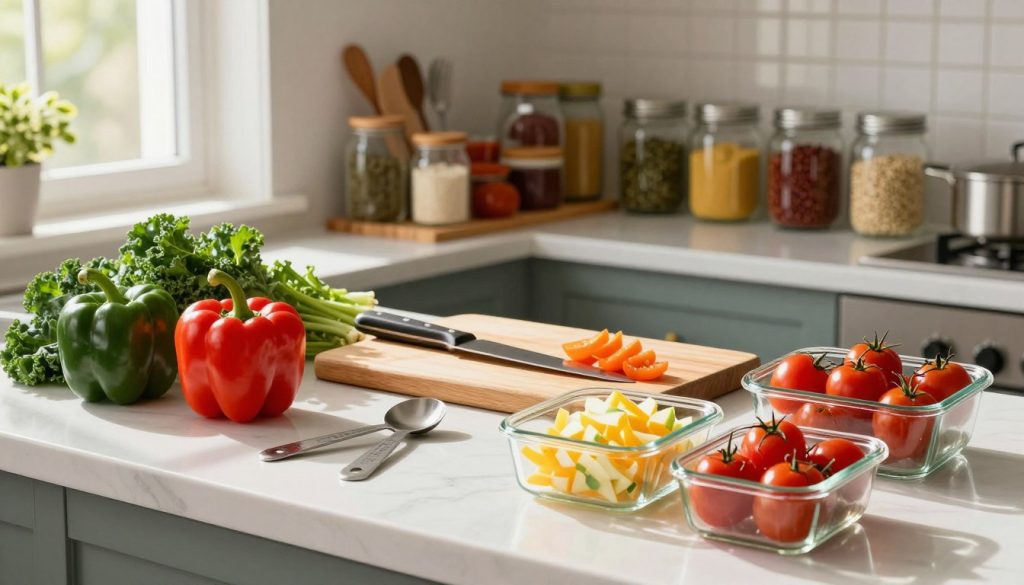
To start testing delicious healthy recipes, you’ll need the right tools and equipment. This includes a good set of knives, cutting boards, pots, and pans. Investing in a few quality kitchen gadgets such as a food processor or a slow cooker can also be beneficial.
Here’s a basic list of what you might need:
- Sharp knives and cutting boards
- Pots and pans of various sizes
- Cooking utensils (spatulas, spoons, etc.)
- Measuring cups and spoons
- Kitchen gadgets (food processor, slow cooker, etc.)
Smart Ingredient Shopping and Substitutions
Smart ingredient shopping is crucial for healthy meal prep recipes. It’s about knowing what to buy and how to substitute ingredients to keep your dishes healthy and flavorful. Focus on purchasing fresh produce, lean proteins, and whole grains.
Understanding substitutions can also help you adapt recipes based on dietary needs or preferences. For example, choosing plant-based proteins instead of meat for vegan recipes.
| Ingredient | Healthy Alternative | Benefit |
|---|---|---|
| White rice | Brown rice | Higher fiber content |
| Refined sugar | Honey or maple syrup | Less processed |
| Processed meats | Lean meats or plant-based proteins | Lower in saturated fats and higher in nutrients |
Organizing Your Recipe Testing Schedule
Organizing your recipe testing schedule is key to efficiently testing delicious healthy recipes. Plan out your week, deciding which recipes to test and when. This helps in managing your time and resources effectively.
Consider dedicating a specific day for meal prep and testing new recipes. This approach helps in maintaining a consistent cooking routine and allows you to track your progress and preferences.
Step-by-Step Process for Testing New Healthy Dishes
The key to successfully testing new healthy dishes lies in a step-by-step approach. This method ensures that you cover all aspects of the recipe, from preparation to evaluation.
Step 1: Read Through the Entire Recipe First
Before starting to cook, it’s essential to read through the entire recipe. This step helps you understand the ingredients, equipment, and cooking techniques required. Take note of any ingredients you need to purchase or substitute.
Step 2: Prep Your Ingredients and Workspace
Prepping your ingredients and workspace is crucial for a smooth cooking experience. Chop vegetables, marinate meats, and measure out spices before you start cooking. This step saves time and reduces stress during the cooking process.
Step 3: Follow the Recipe Carefully
Following the recipe carefully is vital to achieving the desired outcome. Pay attention to cooking times, temperatures, and techniques. Don’t skip or substitute ingredients without understanding the potential impact on the dish.

Step 4: Take Notes During Cooking
Taking notes during the cooking process helps you track your progress and identify areas for improvement. Record any challenges you face, such as ingredient availability or cooking techniques. This information will be invaluable for future recipe testing.
Step 5: Taste and Evaluate the Results
The final step is to taste and evaluate the results. Assess the dish’s flavor, texture, and nutritional value. To make it an easy healthy recipe, consider adjustments such as reducing salt or sugar. Make notes on what works well and what needs adjustment. This step is crucial for refining your recipe and ensuring it meets your dietary needs and preferences.
By following these steps, you can ensure a successful and enjoyable experience when testing new healthy recipes, ultimately creating a collection of easy healthy recipes tailored to your taste.
Evaluating and Adjusting Your Delicious Healthy Recipes
The true test of a healthy recipe lies in its taste, texture, and nutritional value. After testing a new dish, it’s crucial to evaluate these aspects to determine if it meets your expectations and dietary needs.
Rating Taste, Texture, and Nutritional Value
When evaluating a recipe, consider the balance of flavors and the texture of the final product. Ask yourself:
- Is the dish flavorful and satisfying?
- Are the textures appealing and varied?
- Does the recipe provide a good balance of nutrients?
To systematically evaluate your recipes, you can use a rating system. Here’s an example table:
| Criteria | Rating (1-5) | Comments |
|---|---|---|
| Taste | 4 | Delicious, could use a bit more seasoning. |
| Texture | 5 | Perfectly cooked, great variety. |
| Nutritional Value | 4 | High in protein, could be lower in sodium. |
Making Modifications for Better Results
Based on your evaluation, you may need to make adjustments to the recipe. This could involve tweaking the seasoning, changing cooking methods, or substituting ingredients to improve taste, texture, or nutritional value.
For instance, if a dish is too salty, you might reduce the amount of salt or use a low-sodium alternative. If it’s not flavorful enough, adding herbs or spices can enhance the taste.
Adapting Recipes for Healthy Meal Prep
Many healthy recipes can be adapted for meal prep, saving you time during the week. Consider recipes that can be cooked in bulk, refrigerated, or frozen for later use.
When adapting a recipe for meal prep, think about the ingredients’ durability and how well the dish will keep. Some recipes, like soups or stews, are ideal for meal prep because they can be reheated without losing flavor or texture.
By evaluating and adjusting your healthy recipes, you can create a collection of best healthy recipes that are not only delicious but also nutritious and convenient for healthy meal prep recipes.
Conclusion
Testing new dishes at home can be a fun and rewarding experience, especially when you focus on delicious healthy recipes. By following the steps outlined in this article, you can discover new healthy recipe ideas that suit your taste preferences and dietary needs.
As you continue to explore and test healthy recipes, you’ll become more confident in your cooking abilities and develop a keen sense of what works best for you. Don’t be afraid to experiment and make adjustments to recipes to suit your lifestyle.
With a well-stocked kitchen and a willingness to try new things, you’ll be well on your way to creating delicious and nutritious meals that will leave you feeling satisfied and energized. So why not start today and see where your healthy cooking journey takes you?