
Did you know that doctors base nearly 70% of their medical decisions on data from diagnostic tests? Most people only look at these vital numbers once a year during a physical exam. You can change this pattern by creating a personal space for health tracking.
Establishing a self-care lab routine helps you monitor your body’s signals regularly. It transforms your health journey from reactive to proactive. You will gain a deeper understanding of how your lifestyle affects your well-being.
Starting a diy wellness lab is simpler than most people imagine. It empowers you to take control of your long-term vitality. You will feel more energized when you see real progress every day.
Key Takeaways
- Monitor your vitals to catch potential issues early.
- Save time by tracking your health metrics at your own pace.
- Understand how food and sleep specifically affect your energy.
- Use smart devices to gather accurate and helpful daily data.
- Build a consistent habit for better long-term health outcomes.
- Gain peace of mind through regular and private self-monitoring.
What Is a Home Wellness Lab and Why You Need One
As health consciousness grows, the home wellness lab emerges as a practical solution for individuals seeking to take control of their well-being. This innovative approach to health monitoring allows individuals to track various health metrics from the comfort of their own homes.
Understanding the Home Wellness Lab Concept
A home wellness lab is essentially a dedicated space in your home equipped with various tools and devices to monitor and analyze different aspects of your health. It’s about creating a personal health monitoring system that is both convenient and comprehensive.
The concept is built around the idea of proactive health management. By having the means to regularly check your health indicators, you can identify potential issues early on and make informed decisions about your lifestyle and health care.
Key Benefits of At-Home Health Monitoring
At-home health monitoring offers several key benefits. It provides convenience, allowing you to conduct health tests at any time without the need to visit a healthcare facility. It’s also cost-effective, reducing the need for frequent doctor visits and lab tests. Moreover, it enables regular tracking of health metrics, which is crucial for understanding your health trends and making necessary adjustments.
Here are some of the key advantages of having a home wellness lab:
| Benefit | Description |
|---|---|
| Convenience | Monitor your health from the comfort of your home at any time. |
| Cost-Effectiveness | Reduce costs associated with frequent lab tests and doctor visits. |
| Regular Tracking | Keep a close eye on your health metrics to identify trends and patterns. |
By understanding the concept and benefits of a home wellness lab, individuals can take a proactive approach to their health. It’s about empowering yourself with the right tools and knowledge to make informed health decisions.
Essential Equipment and Tools for Your DIY Wellness Lab
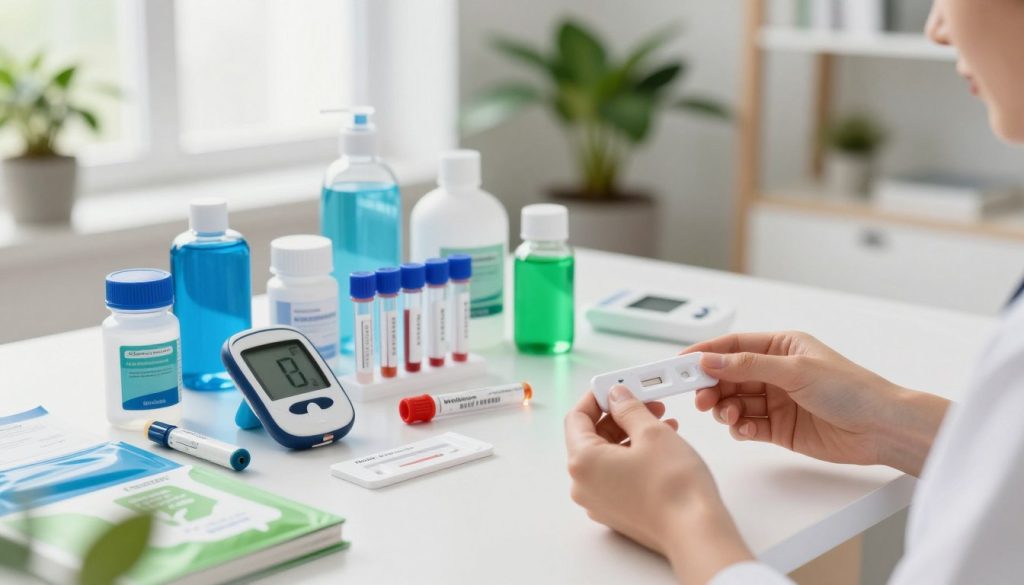
To establish a comprehensive home wellness lab, you’ll need to invest in some essential health monitoring devices and testing kits. These tools will enable you to track your health metrics accurately and make informed decisions about your well-being.
The right equipment is the backbone of any effective home wellness lab. By investing in the following basic health monitoring devices and advanced testing kits, you can ensure that you’re well-equipped to monitor your health from home.
Basic Health Monitoring Devices
Basic health monitoring devices are crucial for tracking vital signs and health indicators. These devices provide immediate feedback on your health status, allowing you to identify potential issues early.
Blood Pressure Monitors
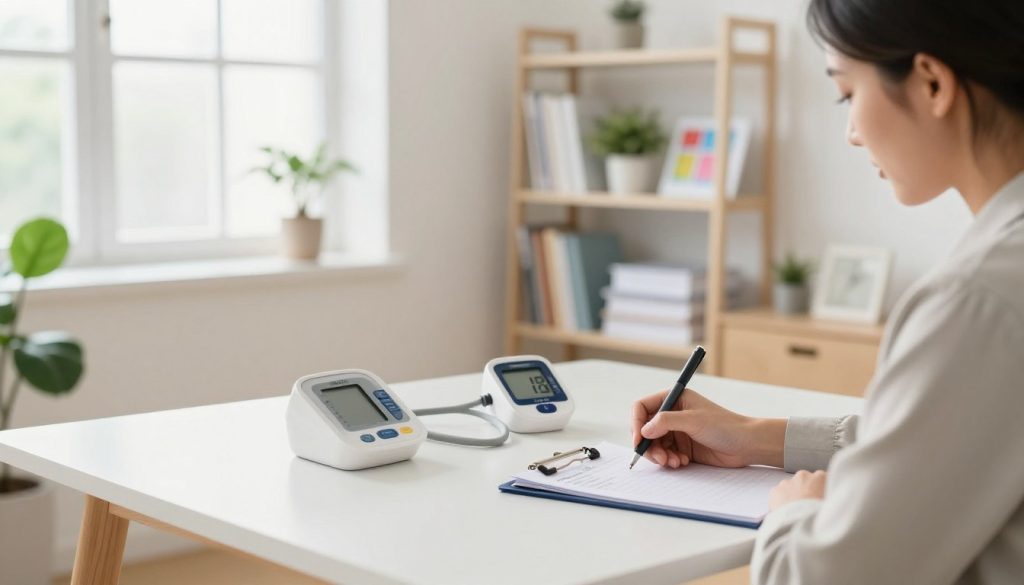
Blood pressure monitors are essential for tracking cardiovascular health. High blood pressure is a significant risk factor for heart disease and stroke, making regular monitoring crucial. When choosing a blood pressure monitor, look for one that is easy to use and provides accurate readings. Some popular options include Omron and Withings blood pressure monitors.
Glucose Meters
Glucose meters are vital for individuals with diabetes or those who want to monitor their blood sugar levels. These devices provide immediate feedback on glucose levels, helping you manage your diet and medication effectively. Accu-Chek and OneTouch are well-known brands in the glucose monitoring space.
Pulse Oximeters
Pulse oximeters measure oxygen saturation levels in your blood, providing insights into your respiratory health. These devices are particularly useful for individuals with respiratory conditions such as asthma or COPD. A pulse oximeter can help you monitor your oxygen levels and detect any potential issues early.
Advanced Testing Kits for Home Use
For more in-depth health monitoring, advanced testing kits can provide valuable insights into your health. These kits allow you to conduct various tests from the comfort of your home.
At-Home Blood Test Kits
At-home blood test kits enable you to collect blood samples for laboratory testing. These kits can test for a range of health markers, including cholesterol levels, vitamin deficiencies, and inflammatory markers. Companies like Everlywell and L LetsGetChecked offer comprehensive at-home blood testing services.
Hormone Testing Options
Hormone testing kits help you understand your hormonal balance, which is crucial for overall health. These kits can test for various hormones, including thyroid hormones, cortisol, and sex hormones. Understanding your hormone levels can help you identify imbalances and work with your healthcare provider to address them.
By incorporating these essential equipment and tools into your DIY wellness lab, you can take a proactive approach to your health and wellness.
Setting Up Your Dedicated Home Health Testing Space
The foundation of a successful home wellness lab lies in its setup, starting with a suitable location. A well-designed home health testing space is crucial for obtaining accurate and reliable test results.
Choosing the Right Location
When selecting a location for your home wellness lab, consider a space that is quiet, private, and free from distractions. It should also be easily accessible and have sufficient storage for your equipment and supplies.
Key factors to consider:
- Proximity to a water source
- Adequate ventilation
- Stable temperature control
- Minimal foot traffic
As Dr. Jane Smith, a leading health expert, notes, “A dedicated space for health testing can significantly improve the accuracy of your results and enhance your overall wellness experience.”
Organizing Your Wellness Lab Supplies
Effective organization is vital for a functional home wellness lab. Use storage containers and label makers to keep your supplies tidy and easily accessible.
| Supply Category | Storage Solution | Benefits |
|---|---|---|
| Testing Kits | Labelled Containers | Easy to identify and access |
| Equipment | Shelving Units | Keeps equipment dust-free and organized |
| Consumables | Stackable Drawers | Maximizes storage space |
Creating a Clean and Sterile Environment
Maintaining a clean and sterile environment is critical for accurate test results and safety. Regularly disinfect surfaces and equipment, and follow proper disposal procedures for biohazardous materials.
“A clean environment is not just a matter of aesthetics; it’s a critical component of reliable health testing.”
By carefully planning your home wellness lab setup, you can ensure a reliable and effective health monitoring routine.
Types of Wellness Lab Tests You Can Perform at Home
With the advancement in home wellness lab technology, individuals can now monitor various aspects of their health from the comfort of their own homes. This shift towards at-home health monitoring has opened up new possibilities for people to take control of their wellbeing.
Cardiovascular Health Monitoring
Monitoring cardiovascular health is crucial for preventing heart diseases. At-home tests can measure blood pressure, heart rate, and even detect irregular heart rhythms. Portable ECG devices and smart blood pressure monitors are some of the tools used for this purpose.
A table summarizing key cardiovascular health monitoring tests is provided below:
| Test | Description | Device Used |
|---|---|---|
| Blood Pressure Monitoring | Measures the pressure in the arteries | Smart Blood Pressure Monitor |
| Heart Rate Monitoring | Measures the number of heartbeats per minute | Smartwatch or Fitness Tracker |
| ECG Monitoring | Records the electrical activity of the heart | Portable ECG Device |
Metabolic Health Assessments
Metabolic health assessments help in understanding how well the body is processing glucose and other vital nutrients. At-home tests can include continuous glucose monitoring systems and ketone level tests.
These assessments are crucial for managing conditions like diabetes and for individuals following specific diets such as a ketogenic diet.
Nutritional Status Testing
Nutritional status testing involves assessing the levels of various nutrients in the body. At-home tests can check for vitamin deficiencies, mineral levels, and other nutritional markers.
Sleep Quality Tracking
Sleep quality tracking is essential for overall health, as poor sleep can lead to numerous health issues. Wearable devices and sleep trackers can monitor sleep patterns, providing insights into sleep quality.
By understanding sleep patterns, individuals can make necessary adjustments to improve their sleep hygiene.
Building Your Perfect Home Wellness Lab Routine Step-by-Step
Creating a home wellness lab routine is a personalized journey that empowers you to take control of your health. By following a structured approach, you can tailor your wellness practices to meet your specific needs and goals. This step-by-step guide will help you establish an effective home wellness lab routine that enhances your overall well-being.
Step 1: Assess Your Health Goals and Priorities
The first step in building your home wellness lab routine is to assess your health goals and priorities. Take time to reflect on what aspects of your health you want to focus on, such as cardiovascular health, nutritional status, or sleep quality. Consider your current health status, any existing medical conditions, and your personal preferences. This self-assessment will help you create a personalized approach to your wellness.
Step 2: Select Appropriate Tests and Monitoring Methods
Once you have identified your health goals, select the appropriate tests and monitoring methods for your home wellness lab. This may include basic health monitoring devices like blood pressure cuffs and heart rate monitors, or advanced testing kits for nutritional status or metabolic health. Choose methods that align with your goals and are feasible for regular use at home.
Step 3: Establish a Consistent Testing Schedule
Consistency is key to effective health monitoring. Establish a regular testing schedule that fits your lifestyle and health goals. This could mean daily, weekly, or monthly tests, depending on the specific metrics you’re tracking. Sticking to your schedule will help you gather reliable data and identify trends over time.
Step 4: Create a Data Recording System
To make the most of your home wellness lab routine, it’s essential to keep track of your test results. Create a data recording system that works for you, whether it’s a digital spreadsheet, a health tracking app, or a physical logbook. This will allow you to monitor your progress, identify patterns, and make informed decisions about your health.
Step 5: Set Baseline Measurements
Before you begin your regular testing, establish baseline measurements for the metrics you’re tracking. This initial data will serve as a reference point for future comparisons, helping you understand how your health changes over time. By setting baseline measurements, you can more effectively evaluate the impact of lifestyle changes or interventions.
By following these steps, you can develop a comprehensive self-care lab routine that supports your health and wellness goals. Remember, the key to a successful home wellness lab is consistency, personalization, and a willingness to adapt your approach as needed.
Best Practices for Accurate Home Wellness Diagnostics
Ensuring the accuracy of home wellness diagnostics is vital for making informed decisions about your health. By following best practices, you can rely on the results of your home tests to guide your wellness journey.
Timing Your Tests Correctly
The timing of your home wellness tests can significantly impact the accuracy of the results. For instance, certain tests are best performed in the morning, before eating or drinking anything. Consistency is key; try to perform your tests at the same time every day or week to ensure comparable results.
For example, blood glucose tests are typically more accurate when taken in a fasting state. Understanding the optimal timing for your specific tests will help you get the most accurate readings.
Following Proper Testing Procedures
Each home wellness test comes with its own set of instructions. It’s crucial to read and follow these instructions carefully to avoid errors. This includes understanding how to collect samples, how to use the testing equipment, and how to interpret the results.
Calibration and maintenance of your testing equipment are also vital. Regularly check that your devices are functioning correctly and replace batteries or other components as needed.
Avoiding Common Testing Mistakes
Common mistakes in home wellness testing include contamination of samples, incorrect handling of testing strips or devices, and misinterpretation of results. Being aware of these potential pitfalls can help you avoid them.
To minimize errors, always follow the manufacturer’s guidelines and take your time when performing tests. If you’re unsure about any aspect of the testing process, consider consulting the user manual or contacting customer support.
When to Consult Healthcare Professionals
While home wellness diagnostics can provide valuable insights into your health, there are times when it’s necessary to consult with healthcare professionals. If you receive unexpected or concerning results, or if you’re unsure about how to interpret your findings, seeking professional advice is the best course of action.
Additionally, if you’re considering making significant changes to your lifestyle or treatment plan based on your home test results, it’s wise to discuss these plans with a healthcare provider to ensure they’re safe and appropriate for your specific situation.
Tracking and Interpreting Your Health Data
Once you’ve set up your DIY wellness lab, the next crucial step is to track and interpret the data you collect. This process is essential for understanding your health trends, identifying potential issues, and making informed decisions about your lifestyle and wellness strategies.
Digital Tools and Apps for Data Management
In today’s digital age, there are numerous tools and apps designed to help you manage your health data effectively. These platforms allow you to store, analyze, and visualize your test results, making it easier to spot trends and patterns. Some popular options include:
- Health tracking apps like MyFitnessPal for nutritional tracking
- Wearable device syncing platforms such as Fitbit or Garmin Connect
- Electronic health record (EHR) systems that allow you to store and manage your health data in one place
When choosing a digital tool, consider factors such as ease of use, data security, and compatibility with your existing devices. Look for platforms that offer customizable dashboards and analytical tools to help you gain insights from your data.
Recognizing Important Trends and Patterns
As you accumulate more data from your home health testing, you’ll begin to notice trends and patterns in your health metrics. This could include seasonal variations in vitamin D levels, changes in blood pressure in response to diet or stress, or improvements in sleep quality after adjusting your bedtime routine.
To effectively recognize these trends, it’s crucial to maintain a consistent testing schedule and record your results accurately. Over time, you’ll develop a clearer picture of your health baseline and be better equipped to identify any deviations that may require attention.
Making Informed Lifestyle Adjustments
The ultimate goal of tracking and interpreting your health data is to make informed decisions about your lifestyle and wellness strategies. By analyzing your data, you can identify areas for improvement and track the effectiveness of any changes you implement.
| Health Metric | Baseline Measurement | Post-Adjustment Measurement |
|---|---|---|
| Blood Pressure | 130/85 mmHg | 120/80 mmHg |
| Average Sleep Duration | 6 hours/night | 7.5 hours/night |
| Cholesterol Level | 220 mg/dL | 200 mg/dL |
As shown in the table above, tracking your health data allows you to measure the impact of lifestyle changes. For instance, adjustments to diet and exercise may lead to improvements in blood pressure, sleep quality, and cholesterol levels. By continuing to monitor these metrics, you can refine your approach and make data-driven decisions to optimize your health and wellness.
Conclusion
Establishing a home wellness lab routine empowers individuals to take control of their health and wellbeing. By incorporating regular wellness lab tests into daily life, individuals can gain valuable insights into their health status, enabling informed decisions about lifestyle adjustments.
A well-structured home wellness lab routine involves selecting the right equipment, setting up a dedicated testing space, and consistently tracking health data. This proactive approach to health monitoring can lead to early detection of potential issues, allowing for timely interventions.
By following the steps outlined in this article, individuals can create a personalized home wellness lab routine that suits their unique needs and health goals. Embracing at-home health monitoring and wellness testing can be a transformative step towards a healthier, more balanced lifestyle.
Start your journey today by assessing your health priorities and exploring the various wellness lab tests available for home use. With a home wellness lab routine, you can unlock a deeper understanding of your health and take meaningful steps towards overall wellbeing.