
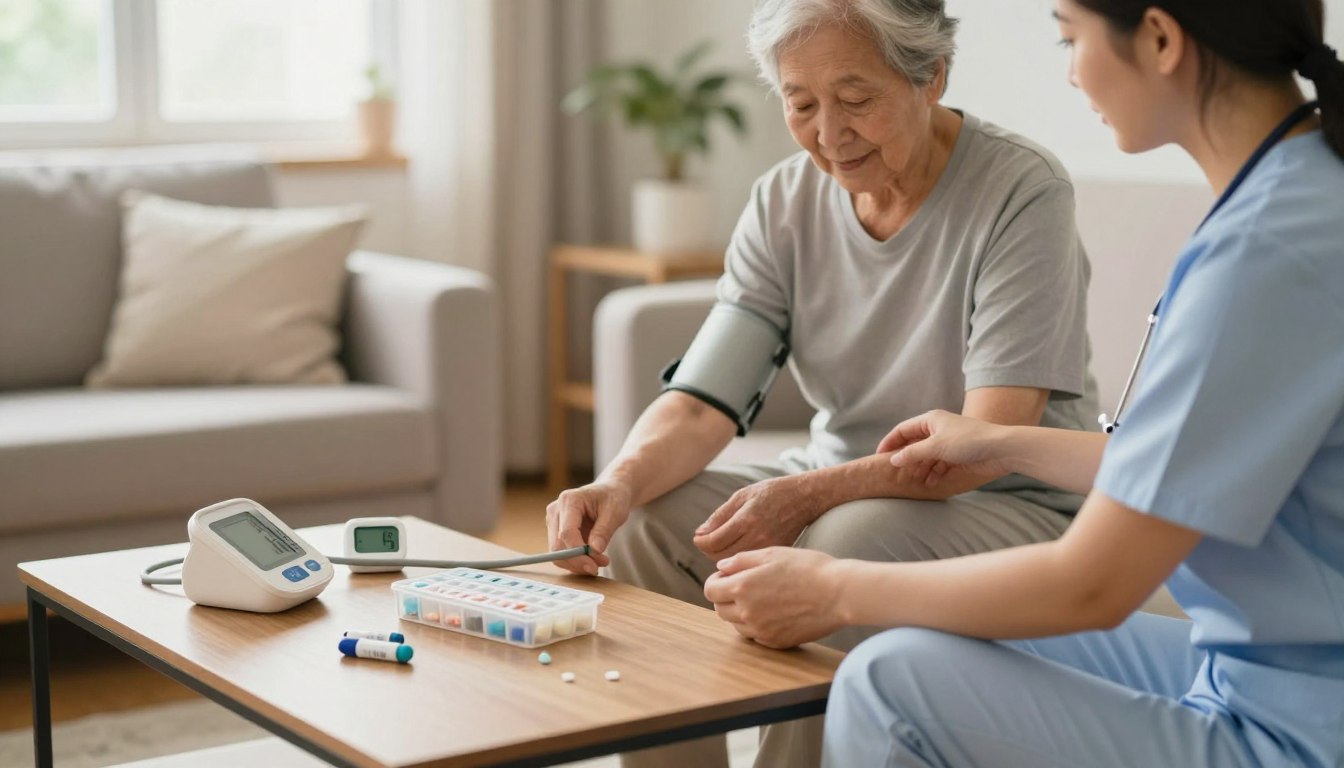
Did you know that nearly 90% of seniors in the United States want to stay in their own houses as they age, which creates a significant need for support? This choice often relies on having a strong support network that offers consistent care throughout the week. Choosing the right daily home health systems can make this dream a reality for many families.
Reliability remains the most significant factor when seeking professional assistance for family members who require additional management. You need a comprehensive setup that feels natural while keeping individuals safe, comfortable, and independent in their familiar surroundings. This guide explores how to identify trustworthy assistance that perfectly accommodates your specific lifestyle.
We will look at what makes a service stand out and how to evaluate excellence in the field. Our goal is to provide you with peace of mind and clarity during your search. It is all about finding a balance that works for you.
Key Takeaways
- Seniors prefer aging in place to maintain their independence.
- Reliable support is essential for staying safe and well.
- Trustworthy care offers peace of mind for the whole family.
- Consistent service helps build strong bonds with care providers.
- Quality care plans are tailored to fit your specific lifestyle.
- Expert help simplifies the process of finding the right care.
Understanding Home Healthcare Technology and Its Benefits
With the rise of home healthcare technology, individuals can now receive high-quality medical care from the comfort of their own homes. This shift towards home-based care is driven by advancements in technology that enable remote monitoring, diagnosis, and treatment. As a result, patients can enjoy more personalized and efficient care, improving their overall health outcomes.
What Modern Home Health Solutions Include
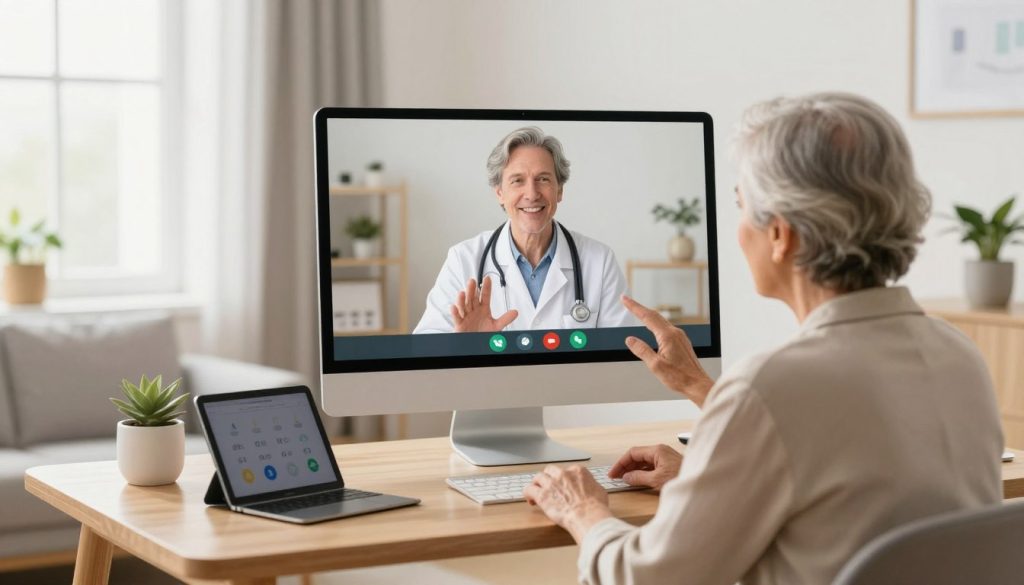
Modern home health solutions encompass a wide range of technologies and services designed to support patient care. These include remote patient monitoring devices that track vital signs, such as blood pressure and glucose levels, and transmit the data to healthcare providers. Additionally, telehealth platforms enable patients to consult with their doctors via video conferencing, reducing the need for in-person visits.
Other solutions include medical alert systems that allow patients to quickly call for help in emergency situations and connected health devices that integrate with electronic health records (EHRs) to provide a comprehensive view of a patient’s health.
Key Benefits of Remote Patient Monitoring
Remote patient monitoring (RPM) offers several key benefits, including improved health outcomes, reduced hospital readmissions, and enhanced patient engagement. By continuously monitoring patients’ vital signs and health metrics, healthcare providers can identify potential issues early and intervene before they become severe.
As noted by a healthcare expert, “Remote patient monitoring has the potential to revolutionize the way we deliver care by making it more proactive and preventive.” This approach not only improves patient outcomes but also reduces healthcare costs by minimizing the need for hospitalizations and emergency interventions.
Who Should Consider Home Healthcare Technology
Home healthcare technology is beneficial for a wide range of individuals, including those with chronic conditions, such as diabetes and heart disease, and those recovering from surgery or illness. Additionally, older adults who live alone or have mobility issues can greatly benefit from these technologies, as they provide an added layer of safety and support.
As the population ages, the demand for home healthcare technology is likely to grow, driven by the need for more efficient and cost-effective care solutions. By leveraging these technologies, individuals can maintain their independence while receiving the care they need.
How to Assess Your Daily Home Health Needs
Evaluating your home health needs is essential for identifying the right health monitoring devices and services. This assessment is a multi-step process that helps you understand your requirements and make informed decisions.
Step 1: Evaluate Your Current Health Conditions
Start by assessing your current health status. Consider any chronic conditions, recent illnesses, or injuries that may impact your daily life. Make a list of your medications, allergies, and any medical equipment you use. This information will be crucial in determining the type of care and support you need at home.
For instance, if you have diabetes, you may need a glucose monitoring system. If you have heart disease, you might require a heart rate monitor. Understanding your health conditions will guide you in selecting the appropriate health monitoring devices.
Step 2: Identify Daily Living Activities That Need Support
Next, identify the daily living activities that you struggle with or need assistance with. These can include bathing, dressing, cooking, or managing your medication. Consider using a daily activity log to track your needs over a week or two. This will help you pinpoint areas where you require support.
- Bathing or showering
- Dressing and grooming
- Cooking and meal preparation
- Managing medications
- Light housekeeping
Step 3: Review Your Living Environment and Safety Concerns
Assess your living environment to identify potential safety hazards. Consider factors such as:
- Fall risks (e.g., slippery floors, uneven surfaces)
- Accessibility of essential areas (e.g., bathroom, kitchen)
- Adequacy of lighting and ventilation
Installing safety features like grab bars, non-slip mats, and improving lighting can significantly reduce risks. You may also consider investing in a medical alert system for emergencies.
Step 4: Calculate Your Budget and Check Insurance Coverage
Finally, evaluate your budget to determine what you can afford in terms of home health care services and devices. Check your insurance coverage to see what is included and what is not. Many insurance plans cover certain home health care services and devices, so it’s essential to understand your benefits.
Consider the following costs:
- Cost of health monitoring devices
- Home health care services (e.g., nursing, therapy)
- Medical alert systems
- Any additional services or support you may need
Selecting the Right Daily Home Health Systems
The key to benefiting from daily home health services lies in selecting the right systems. With the variety of technologies available, making informed decisions is crucial for effective care.
Choose Appropriate Health Monitoring Devices
Health monitoring devices are fundamental to daily home health care. They help track vital signs and health metrics, enabling timely interventions.
Blood Pressure Monitors and Glucose Testing Equipment
Blood pressure monitors and glucose testing equipment are essential for managing chronic conditions like hypertension and diabetes. Accurate and user-friendly devices make it easier for patients to monitor their health regularly.
Pulse Oximeters and Cardiac Monitoring Tools
Pulse oximeters measure oxygen saturation, while cardiac monitoring tools track heart activity. These devices are vital for patients with heart conditions or respiratory issues. Regular monitoring can help detect potential issues early.
Select a Medical Alert System for Emergencies
A medical alert system provides peace of mind for both patients and their families. In case of an emergency, these systems enable quick response and assistance.
Decide on Telehealth Solutions and Communication Tools
Telehealth solutions have revolutionized home health care by enabling remote consultations and monitoring. Choosing the right telehealth platform is crucial for seamless communication between patients and healthcare providers.
Integrate Connected Health Devices for Comprehensive Care
Connected health devices can be integrated to provide a comprehensive view of a patient’s health. This integration enhances care coordination and improves health outcomes.
| Device/System | Key Features | Benefits |
|---|---|---|
| Blood Pressure Monitor | Accurate BP measurement, Easy to use | Helps manage hypertension, Regular monitoring |
| Glucose Testing Equipment | Accurate glucose measurement, Data storage | Manages diabetes, Tracks glucose trends |
| Pulse Oximeter | Measures oxygen saturation, Portable | Monitors respiratory health, Alerts for low oxygen levels |
| Medical Alert System | Emergency response, Wearable devices | Quick emergency response, Peace of mind for families |
Setting Up and Implementing Your Home Health System
To get the most out of your home health system, it’s crucial to follow a structured setup and implementation process. This ensures that all components work seamlessly together to provide comprehensive care.
Step 1: Install and Configure Your In-Home Health Devices
The first step involves installing and configuring your in-home health devices. This includes setting up devices such as blood pressure monitors, glucose meters, and other monitoring equipment. Ensure that all devices are properly connected and synced with your central health monitoring system.
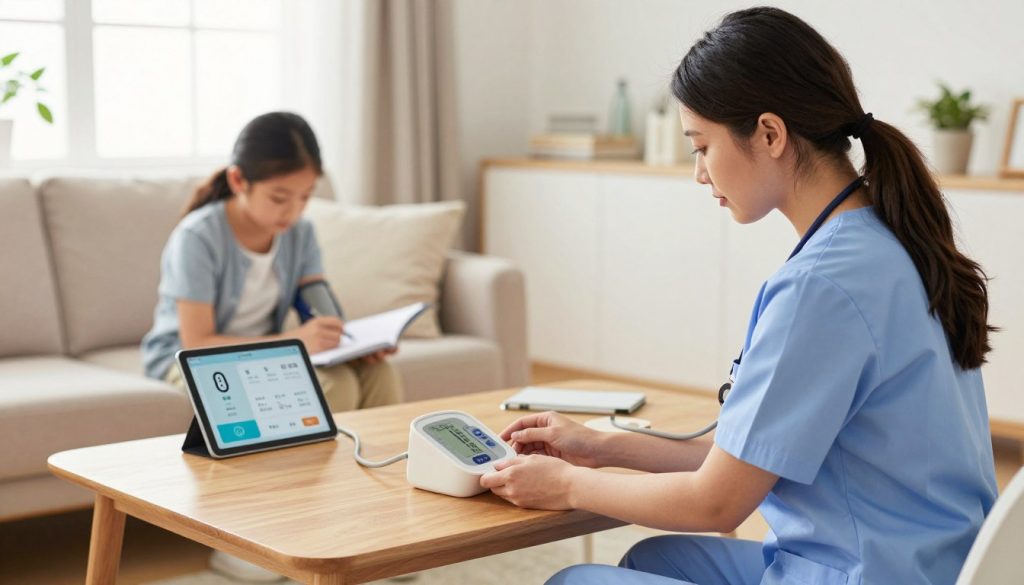
It’s essential to follow the manufacturer’s instructions for each device to avoid any configuration issues. Many modern devices are designed to be user-friendly, but if you’re unsure, consider seeking help from a healthcare professional or the device manufacturer’s support team.
Step 2: Train Family Members and Caregivers
Training family members and caregivers is vital to ensure they can effectively use the home health system and respond appropriately in case of emergencies. Provide comprehensive training on operating the devices, understanding the data they provide, and knowing when to seek medical help.
Regular training sessions can help identify any gaps in understanding and ensure that everyone involved in the care process is on the same page. This collaborative approach enhances the overall effectiveness of the home health system.
Step 3: Create a Daily Monitoring Schedule
Establishing a daily monitoring schedule helps in maintaining consistency and ensures that health data is collected regularly. This schedule should be tailored to the individual’s specific health needs and may include regular check-ins with healthcare providers.
A well-planned schedule also helps in identifying any potential health issues early, allowing for timely interventions. It’s crucial to be flexible and adjust the schedule as needed based on the individual’s changing health requirements.
Step 4: Connect with Your Healthcare Provider Team
Connecting with your healthcare provider team is a critical step in the implementation process. Ensure that your healthcare providers have access to the data collected by your home health system. This may involve setting up secure data sharing protocols and regular communication channels.
By keeping your healthcare team informed, you can receive timely advice and interventions, enhancing the overall quality of care. Regular updates can also help in adjusting your care plan as needed.
Important Safety Precautions and Troubleshooting Tips
When setting up your home health system, it’s essential to consider safety precautions to avoid any potential risks. Ensure that all devices are used as directed and that you are aware of their limitations.
Troubleshooting common issues promptly can prevent minor problems from becoming major concerns. Keep a list of troubleshooting tips provided by the device manufacturers and know how to contact their support teams for assistance.
By following these steps and being mindful of safety and troubleshooting, you can ensure a smooth and effective implementation of your home health system, leveraging the full potential of connected health devices to improve your health outcomes.
Conclusion
Investing in daily home health systems and leveraging home healthcare technology can significantly improve your overall well-being. By understanding your daily home health needs and selecting the right systems, you can enjoy a more independent and healthy lifestyle.
With the right home healthcare technology, you can monitor your health conditions more effectively, receive timely medical interventions, and stay connected with your healthcare provider team. This not only enhances your quality of life but also provides peace of mind for you and your loved ones.
As you consider implementing daily home health systems, remember to assess your specific needs, choose appropriate devices, and set up a comprehensive care plan. By doing so, you can take a proactive approach to your health and well-being, ensuring a better tomorrow.