

Did you know the average American household spends over 300 hours every year just deciding what to eat? That is nearly two full weeks of precious time lost to indecision. Streamlining your kitchen routine is the secret to reclaiming those hours for what truly matters.
By focusing on family meal optimization, you can turn a chaotic evening into a calm, nourishing experience. It is not just about the food; it is about creating a system that works for your unique lifestyle. Efficiency in the kitchen allows you to serve healthy dishes without the typical stress.
Small changes in how you plan and prep can lead to massive results for your health and budget. This guide will help you master the art of dining well while saving time. Let’s explore how these smart strategies can transform your daily life starting today.
Key Takeaways
- Reduce daily decision fatigue with better planning.
- Save significant time on busy weeknights.
- Improve the nutritional quality of every dish.
- Decrease overall grocery spending through smart shopping.
- Foster better connections during shared dining moments.
- Minimize food waste by using ingredients effectively.
Transform Your Approach to Family Dinners
Easy meal planning is the key to stress-free family dinners. By adopting a more structured and thoughtful approach to meal planning, families can enjoy healthier and more enjoyable meals together.
One of the primary benefits of easy meal planning is the reduction of daily stress. When you have a plan in place, you can avoid last-minute trips to the grocery store or relying on unhealthy takeout options. Healthy family meals become more achievable when you have a clear plan.
Involving all family members in the meal planning process can also make mealtime more enjoyable. It’s an opportunity to teach children about different cuisines, ingredients, and cooking techniques. By making meal planning a family affair, you can create a sense of teamwork and anticipation around mealtime.
A well-planned meal strategy can also help with grocery shopping. By knowing exactly what you need, you can avoid buying unnecessary items and reduce food waste. Here’s an example of how a simple meal plan can translate into a grocery list:
| Meal | Main Ingredients |
|---|---|
| Monday: Grilled Chicken | Chicken breasts, vegetables, olive oil |
| Tuesday: Pasta Night | Pasta, marinara sauce, ground beef |
| Wednesday: Tacos | Tortillas, ground beef, lettuce, tomatoes |
As you can see, having a meal plan in place allows you to identify common ingredients and make a more efficient grocery list. This not only saves time but also helps in budgeting for groceries.
By transforming your approach to family dinners through easy meal planning, you can create a more harmonious and healthy home environment. It’s about making small changes that add up to make a big difference.
Plan Your Weekly Menu Like a Pro
To optimize your family meals, start by planning your menu for the week. This simple step can significantly reduce mealtime stress and help you create budget-friendly family dinners that everyone will enjoy.
Create a Rotating Meal Schedule
Developing a rotating meal schedule is an effective way to ensure variety in your family’s meals. By planning a cycle of different meals, you can avoid repetition and keep mealtime interesting. Consider including a mix of quick recipes for families to save time on busy weeknights.
For example, you could designate certain days for specific types of meals, such as pasta night or grill night. This approach not only simplifies meal planning but also allows you to explore different cuisines and cooking techniques.
Involve Family Members in Planning
Involving your family members in the meal planning process can be incredibly beneficial. It allows everyone to have a say in what they eat and can help reduce food waste. You can create a collaborative environment by asking each family member to suggest their favorite meals or budget-friendly family dinners.
This inclusive approach not only fosters a sense of teamwork but also ensures that you’re preparing meals that cater to everyone’s tastes and dietary preferences.
Use Theme Nights to Simplify Decisions
Implementing theme nights is another strategy to simplify meal decisions. By assigning a theme to each night, such as Meatless Monday or Taco Tuesday, you can narrow down your options and make meal planning more manageable.
Meatless Monday Ideas
For Meatless Monday, consider preparing vegetarian dishes like lentil soup, roasted vegetable quinoa bowls, or stuffed bell peppers. These meals are not only delicious but also budget-friendly and packed with nutrients.
- Lentil soup with crusty bread
- Roasted vegetable quinoa bowls with avocado
- Stuffed bell peppers with quinoa and black beans
Taco Tuesday Variations
Taco Tuesday offers endless possibilities for creative and tasty meals. You can opt for traditional beef tacos, chicken tacos, or explore vegetarian options like black bean or roasted sweet potato tacos.
- Beef tacos with salsa and guacamole
- Chicken tacos with sour cream and salsa
- Vegetarian tacos with roasted sweet potatoes and black beans
Slow Cooker Sunday Options
Slow Cooker Sunday is perfect for busy families. Simply prepare your ingredients, toss them into the slow cooker, and come home to a ready-to-eat meal. Popular options include chili, pulled pork, or chicken stew.
- Chili with ground beef and beans
- Pulled pork with coleslaw and buns
- Chicken stew with vegetables and crusty bread
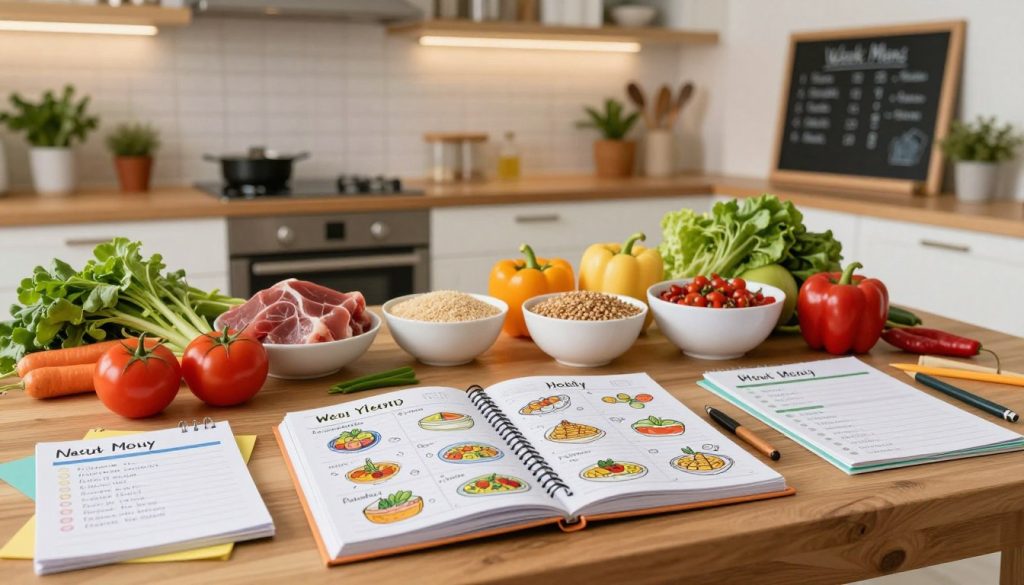
Master Family Meal Optimization Through Batch Prep
Batch prep is a game-changer for busy families looking to streamline their meal routines. By dedicating time to preparing ingredients and meals in advance, families can save time during the week and reduce stress around mealtime.
Dedicate Time for Weekend Prep Sessions
Setting aside a few hours on the weekend for meal prep can make a significant difference in your daily routine. Use this time to plan, shop, and prepare meals for the upcoming week. This dedicated time helps in organizing your meals, ensuring that you have all the necessary ingredients, and getting a head start on cooking.
Pre-Cut Vegetables and Proteins
Pre-cutting vegetables and proteins not only saves time during the week but also makes healthy eating more convenient. By having pre-prepared ingredients, you can quickly throw together a nutritious meal. Consider using meal prep containers to store these ingredients and keep them fresh throughout the week.
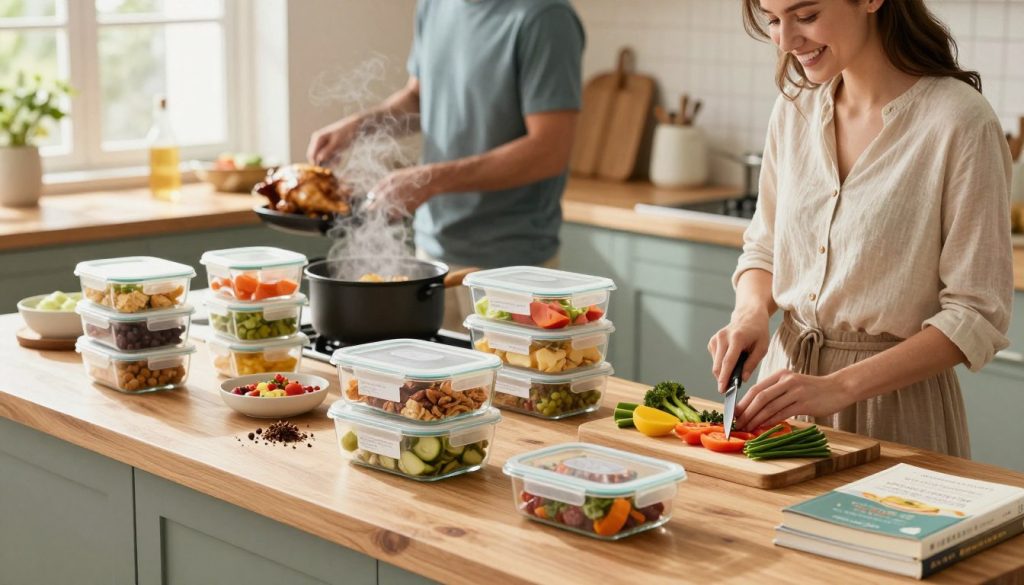
Cook Base Ingredients in Bulk
Cooking base ingredients in bulk is a fundamental aspect of batch prep. This approach allows you to prepare large quantities of staple foods that can be used in various meals throughout the week.
Rice, Quinoa, and Grain Prep
Cooking rice, quinoa, and other grains in bulk provides a versatile base for multiple meals. These staples can be used in salads, as sides, or as the foundation for main dishes. Simply reheat as needed, and you’re ready to go.
Protein Batch Cooking Methods
Batch cooking proteins like chicken, beans, or tofu can be done through various methods such as grilling, roasting, or sautéing. Having pre-cooked proteins on hand makes it easy to assemble meals quickly. Consider using a slow cooker for hands-off protein cooking.
Sauce and Dressing Preparation
Preparing sauces and dressings in advance can elevate your meals and add variety to your menu. By having a range of pre-made sauces, you can easily customize your dishes to suit different tastes and dietary needs.
By implementing these batch prep strategies, families can enjoy healthier, more varied meals without the daily stress of last-minute cooking. Start with small steps, and adjust your batch prep routine as needed to fit your family’s lifestyle and preferences.
Shop Smarter for Budget-Friendly Family Dinners
Smart shopping is the backbone of budget-friendly family dinners, enabling you to serve nutritious homemade meals. By adopting a few strategic shopping habits, you can significantly reduce your grocery bills without compromising on the quality of your meals.
Build a Strategic Shopping List
Creating a shopping list based on your meal plan is crucial. It helps you avoid impulse buys and stick to your budget. Start by listing the ingredients needed for your planned meals, and then check what you already have in your pantry.
As Mark Twain once said, “The secret of getting ahead is getting started.” Begin by planning your meals and making a list to get ahead in your grocery shopping.
Buy Versatile Ingredients That Work Across Multiple Meals
Choosing ingredients that can be used in multiple dishes is a great way to reduce waste and save money. For example, buying chicken breasts can be used for salads, sandwiches, and main courses.
Take Advantage of Sales and Seasonal Produce
Keep an eye on weekly sales and stock up on non-perishable items when they’re at their cheapest. Seasonal produce is also generally cheaper and fresher.
Stock Your Pantry Staples
Maintaining a well-stocked pantry with staples like rice, pasta, and canned goods can help you whip up a meal at a moment’s notice. It’s also a great way to use up ingredients before they expire.
Freeze Sale Items for Later Use
When you come across a great sale on meat or vegetables, consider buying in bulk and freezing for later. This can be a significant cost saver in the long run.
| Smart Shopping Strategy | Benefits |
|---|---|
| Building a Strategic Shopping List | Avoids impulse buys, reduces waste |
| Buying Versatile Ingredients | Reduces waste, saves money |
| Taking Advantage of Sales and Seasonal Produce | Saves money, ensures freshness |
By implementing these smart shopping strategies, you can enjoy nutritious homemade meals while staying within your budget. It’s all about being mindful of your shopping habits and making a few simple changes to your routine.
“The way we eat is changing. The way we shop is changing. And the way we live is changing.” –
Implement Time-Saving Cooking Strategies
Time-saving cooking strategies are a game-changer for busy families looking to enjoy home-cooked meals. By simplifying the cooking process, families can save time without sacrificing the quality of their meals.
Use One-Pot and Sheet Pan Recipes
One-pot and sheet pan recipes are excellent examples of time-saving meal ideas. They reduce cleanup and cooking time, making them perfect for weeknights. One-pot recipes, such as skillet dinners, allow you to cook a complete meal in a single pan.
Similarly, sheet pan recipes enable you to roast vegetables and proteins together, simplifying both preparation and cleanup.
Leverage Kitchen Appliances Effectively
Modern kitchen appliances can significantly streamline meal preparation. By leveraging these appliances, you can prepare a variety of meals with minimal effort.
Instant Pot Quick Recipes for Families
The Instant Pot is a versatile appliance that can pressure cook, slow cook, and sauté. It’s ideal for preparing quick and nutritious meals. Instant Pot recipes can be ready in under 30 minutes, making them perfect for busy evenings.
Air Fryer Healthy Family Meals
The Air Fryer is another valuable appliance for healthy cooking. It allows you to prepare crispy meals with much less oil than traditional frying methods. From fries to chicken tenders, the Air Fryer can handle a variety of dishes.
Slow Cooker Set-and-Forget Dinners
Slow cookers are perfect for set-and-forget meals. Simply add your ingredients in the morning, and come home to a ready-to-eat meal. This is especially useful for busy families with varying schedules.
Double Recipes for Future Meals
Doubling recipes is a practical strategy for saving time in the long run. By cooking extra portions, you can have ready-to-eat meals for future dinners or lunches. This approach not only saves time but also reduces food waste.
Build a Sustainable Meal System That Works Long-Term
Family meal optimization isn’t just about planning meals; it’s about creating a system that lasts. To achieve this, you need to focus on building habits and structures that support your family’s changing needs.
A sustainable meal system is one that is flexible, efficient, and enjoyable for everyone involved. It’s about finding a balance between planning, shopping, cooking, and cleaning up that works for your family.
Recipe Binder of Family Favorites
One key element of a sustainable meal system is a recipe binder filled with family favorites. This binder serves as a centralized location for your go-to recipes, making it easier to plan meals and grocery shop.
To create a recipe binder, start by gathering your family’s favorite recipes and organizing them into categories, such as main dishes, sides, and desserts. You can use a physical binder or a digital tool like a note-taking app or a recipe management software.
Establish Cleanup Routines
Cleanup is an essential part of the meal process that can make or break your meal system. Establishing a cleanup routine that everyone can follow helps keep the kitchen tidy and makes the cooking process more enjoyable.
Assign tasks to family members based on their age and ability, and make sure to rotate tasks periodically to keep things interesting and prevent boredom. This not only teaches children important life skills but also fosters a sense of teamwork.
Adjust Your System as Kids Grow and Schedules Change
As your children grow and your family’s schedule changes, your meal system will need to adapt. Be prepared to adjust your meal planning, shopping, and cooking strategies to accommodate new needs and preferences.
Regularly review your meal system with your family to identify areas for improvement and make necessary adjustments. This might involve changing your meal planning schedule, trying new recipes, or adjusting your grocery shopping list.
By creating a recipe binder, establishing cleanup routines, and being willing to adjust your system as needed, you can build a sustainable meal system that supports your family’s needs and makes mealtime more enjoyable for everyone.
Conclusion
By implementing the strategies outlined in this article, families can enjoy healthy family meals without the stress and chaos often associated with mealtime. Planning a weekly menu, mastering batch prep, and shopping smarter are just a few ways to optimize family meals.
These approaches not only save time but also promote healthier eating habits and reduce food waste. By building a sustainable meal system, families can enjoy their favorite meals while adapting to changing schedules and tastes.
Embracing these simple yet effective strategies can lead to a more enjoyable and stress-free mealtime experience, fostering a culture of healthy family meals that nourish both body and soul.