
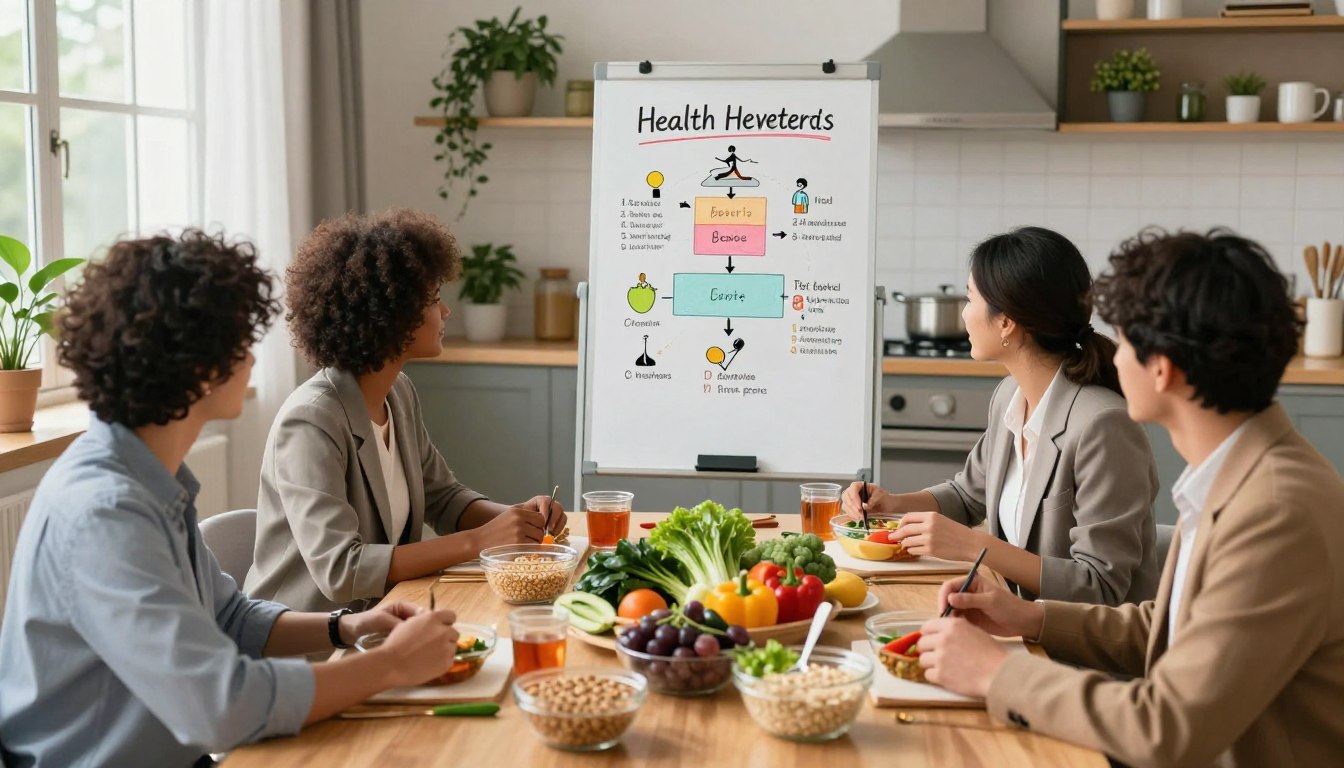
Did you know Americans spend nearly 90 percent of their lives inside? Even more shocking, the air inside your living room can be much dirtier than the air outside. Small changes can turn your sanctuary into a place that truly nourishes you.
Engaging in healthy home experiments offers a delightful strategy for discovering specific routines that benefit your family. These activities allow you to adjust daily habits without feeling overwhelmed. You might try switching light bulbs or adding certain plants to boost your mood.
By starting these tiny tests, you gain control over your environment. We will explore how simple shifts lead to a better life. Get ready to transform your space into a wellness hub.
Creating a vibrant living area starts with curiosity. You do not need a massive budget to see real results. A few minutes of focus makes a huge difference in your daily vitality.
Key Takeaways
- Indoor air quality is often worse than outdoor levels.
- Testing minor shifts helps identify personal needs.
- Natural lighting significantly enhances morning energy.
- Documenting results ensures long-term success.
- A refined space supports physical vitality.
- Minor steps prevent you from feeling stressed.
Getting Started with Household Health Improvement Trials
Starting household health improvement trials is a proactive step towards a healthier living environment. By conducting simple experiments and interventions at home, families can identify areas for improvement and implement changes that enhance their overall well-being.
Why Home-Based Health Experiments Matter
Home-based health experiments, such as family wellness studies and domestic health interventions, are crucial for understanding and improving the health dynamics within a household. These experiments allow families to take an active role in their health, making informed decisions based on real data and observations.
By engaging in these trials, households can uncover potential health hazards and implement targeted interventions. For instance, monitoring indoor air quality can reveal the need for better ventilation systems or the importance of reducing allergen sources.
Creating Your Trial Baseline and Tracking System
To effectively conduct household health improvement trials, establishing a baseline is essential. This involves gathering initial data on various health-related parameters within the home, such as air quality, water purity, and noise levels. A robust tracking system helps in monitoring changes over time, providing valuable insights into the effectiveness of interventions.
A simple yet effective way to create a baseline is by using a health diary or log. This can be digital or physical, where family members record observations, symptoms, and any changes in their health or environment.
| Parameter | Baseline Measurement | Post-Intervention Measurement |
|---|---|---|
| Indoor Air Quality | Moderate Pollutant Levels | Significant Reduction in Pollutants |
| Water Quality | Presence of Contaminants | Improved Purity |
| Noise Levels | High | Reduced |
Essential Tools for Measuring Results
To measure the results of household health improvement trials effectively, several tools can be employed. These include air quality monitors, water testing kits, and noise level meters. Utilizing these tools provides quantitative data that can be used to assess the impact of interventions.
For improved living environment research, it’s also beneficial to leverage mobile apps and online platforms that can help track health metrics and environmental factors. These tools not only simplify data collection but also offer insights that can guide further improvements.
Indoor Air Quality and Allergen Reduction Trials
Improving indoor air quality is a crucial aspect of household health promotion projects. Simple home health enhancement trials can significantly reduce allergens and enhance family well-being experiments.
Start by identifying common allergens such as dust mites, pet dander, and pollen. Using HEPA filters in your home’s air conditioning and vacuum cleaners can help reduce these allergens. Regularly washing bedding in hot water and drying it on high heat can also minimize dust mites.
Another effective trial is to introduce plants known for their air-purifying qualities, such as spider plants or peace lilies, into your home. These plants can help remove pollutants and improve indoor air quality, contributing to a healthier living environment.