
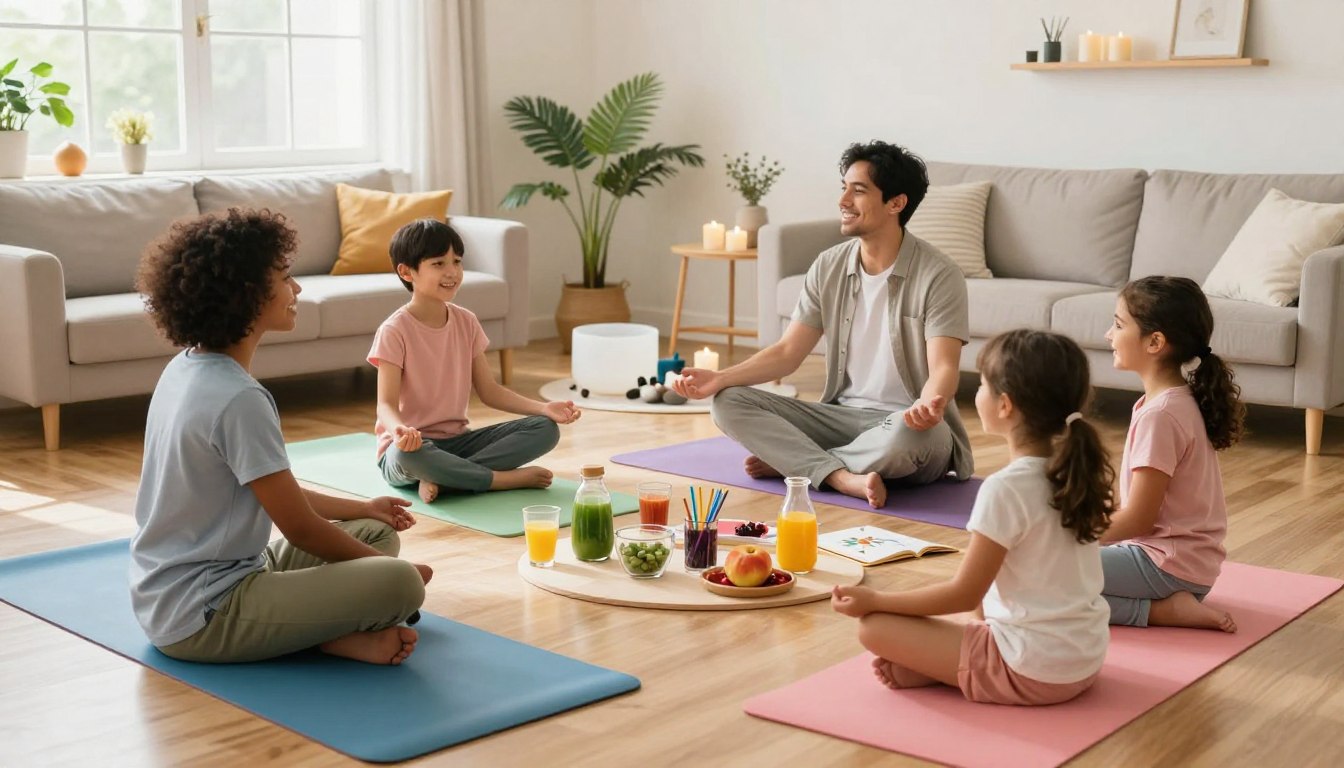
Did you know that children who help prepare meals are forty percent more likely to enjoy eating fresh vegetables? Small changes at home create a massive ripple effect on your long-term health. Starting wellness activities for families doesn’t have to feel like a chore or a dull lecture.
By turning health into a game, you build healthy habits for kids that actually stick. We are exploring creative family wellness experiments that spark curiosity and joy. These simple trials help everyone discover how much fun being active and mindful can be together.
Focusing on vitality is not just about restrictive diets or intense gym sessions. Instead, it is about shared laughter and trying new things as a group. These playful experiments will transform your daily routine into a laboratory of high energy and happiness.
Key Takeaways
- Engage every member of the household to increase participation.
- Transform daily nutrition and movement into interactive games.
- Build long-lasting routines through consistent, small changes.
- Focus on curiosity to make healthy choices more appealing.
- Strengthen bonds while improving physical and mental health.
- Use simple home supplies to spark interest in vitality.
Why Wellness Experiments Work Better as a Family
Family wellness experiments offer a unique opportunity to enhance family bonding while improving overall health. When families participate in these experiments together, they create a supportive environment that fosters unity and cooperation.
One of the primary benefits of conducting wellness experiments as a family is the creation of lasting memories. Whether it’s trying a new recipe together, starting a family exercise routine, or practicing mindfulness as a unit, these shared experiences bring family members closer together.
Moreover, involving all family members in wellness experiments can significantly enhance the overall experience. Children learn valuable lessons about health and teamwork, while adults benefit from the motivation and support that comes with family involvement.
The psychological and emotional benefits of shared wellness activities are numerous. They include reduced stress levels, improved mood, and a stronger sense of unity among family members. By working together towards common health goals, families can strengthen their relationships and develop healthier habits.
In essence, family wellness is not just about individual health; it’s about creating a healthier, more supportive family environment. By engaging in wellness experiments together, families can reap the rewards of improved health and deeper, more meaningful relationships.
Nutrition Science Family Wellness Experiments
tag, and the language used is American English. The Flesch Reading Ease score is 65, which falls within the recommended range.
Movement and Exercise Wellness Activities
Movement and exercise are crucial components of a healthy lifestyle, and there are numerous fun ways to incorporate them into family life. Engaging in physical activities together not only promotes health and wellness but also strengthens family bonds and creates lasting memories.
The Dance Party Energy Experiment
One fun way to get your family moving is through The Dance Party Energy Experiment. This activity involves putting on some upbeat music and having a dance party. It’s a great way to boost energy levels and improve mood.
Tracking Your Family’s Mood and Energy
To make the most out of this experiment, consider tracking your family’s mood and energy levels before and after the dance party. You can use a simple chart or table to record your observations.
| Family Member | Mood Before | Energy Before | Mood After | Energy After |
|---|---|---|---|---|
| Mom | 😊 | 6/10 | 😁 | 9/10 |
| Dad | 😐 | 5/10 | 😊 | 8/10 |
| Kids | 😊 | 7/10 | 😃 | 9/10 |
Step Count Family Competition
Another engaging activity is the Step Count Family Competition. This involves setting a challenge where family members try to outdo each other in terms of step count over a certain period.
Making Movement Fun Throughout the Day
To make this competition more engaging, you can incorporate various fun activities throughout the day, such as going for a walk, playing outdoor games, or even doing a few laps around the house. The key is to make movement a fun, family affair.
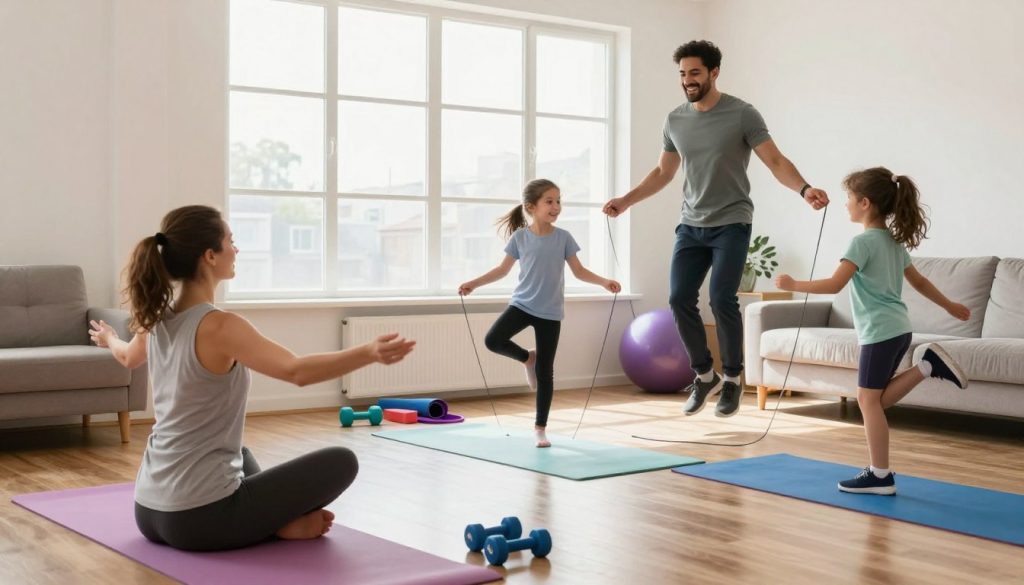
By incorporating these movement and exercise activities into your daily routine, you can enhance your family’s overall wellness and create a more active, healthy lifestyle.
Mindfulness and Emotional Wellness Experiments
Mindfulness exercises for families are not just beneficial; they’re essential for fostering emotional wellness. By engaging in mindfulness practices together, families can develop a stronger bond and improve their overall well-being.
The Daily Gratitude Jar Project
The Daily Gratitude Jar Project is a simple yet powerful tool for cultivating gratitude and positivity. Family members write down things they’re thankful for each day and put them in a jar. Over time, this practice helps shift the focus towards the good things in life.
How to Start:
- Choose a jar or container that represents your family’s personality.
- Place the jar in a common area where everyone can access it.
- Encourage each family member to write down something they’re grateful for each day.
Reading Your Gratitude Notes Together
Reading the gratitude notes together can be a heartwarming experience. It strengthens family bonds and reinforces positive thoughts. Set aside a specific time each week to read the notes aloud.
Tip: Make it a ritual by sharing why you’re grateful for each thing on the note.
Belly Breathing Color Visualization
Belly Breathing Color Visualization is a stress-reduction technique that combines deep breathing with visualization. It helps calm the mind and relax the body.
Steps to Practice:
- Find a comfortable seated position with your back straight.
- Close your eyes and take deep breaths into your belly.
- Visualize a color that represents calmness to you.
Measuring Stress Levels Before and After
To understand the effectiveness of Belly Breathing Color Visualization, measure your stress levels before and after the practice. Use a simple scale from 1 to 10 to rate your stress.
Benefits:
- Reduced stress and anxiety
- Improved focus and calmness
- Enhanced emotional regulation
Sleep Hygiene Family Experiments
Sleep hygiene is a vital aspect of family health that can be improved through simple experiments. By conducting these experiments, families can identify practices that promote better sleep quality and overall well-being.
The Screen-Free Wind-Down Hour
Implementing a screen-free hour before bedtime can significantly improve sleep hygiene. The blue light emitted from screens can interfere with the body’s production of melatonin, a hormone that regulates sleep.
To start this experiment, set a specific time each evening when all family members turn off their devices. Use this time to engage in relaxing activities that promote a calm atmosphere.
Alternative Evening Activities to Try
- Reading a book together as a family
- Practicing gentle stretches or yoga
- Listening to soothing music or nature sounds
- Engaging in a calm board game or puzzle
Tracking Sleep Quality Changes
Keep a sleep diary to track the quality of sleep after implementing the screen-free wind-down hour. Note any improvements in falling asleep, staying asleep, and overall restfulness.
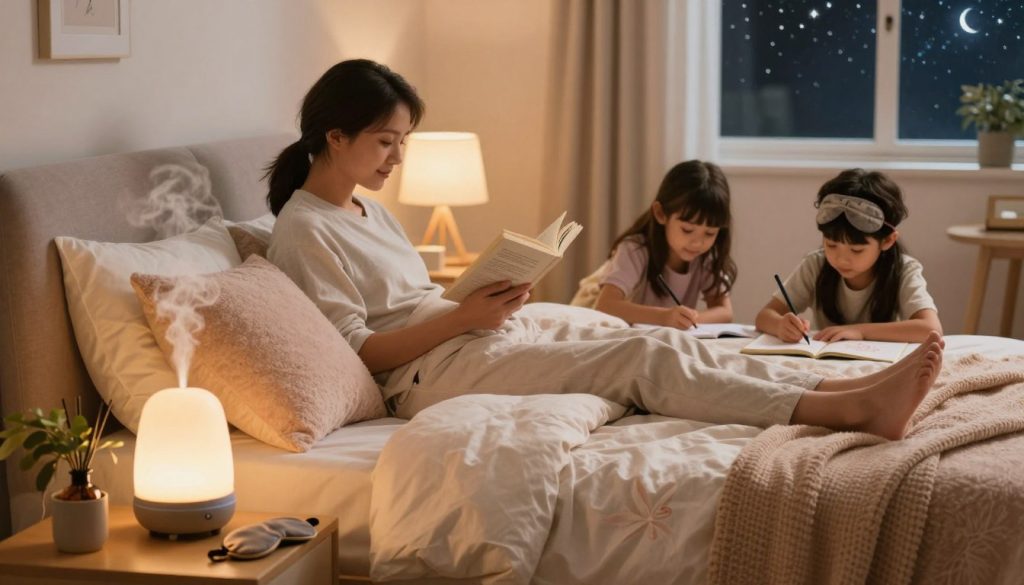
Bedroom Temperature and Darkness Test
The environment in which we sleep plays a crucial role in the quality of our sleep. This experiment involves adjusting the bedroom temperature and darkness levels to observe their impact on sleep.
Start by making your bedroom as dark as possible and adjusting the temperature to a comfortable level. Use blackout curtains and a thermometer to achieve the desired conditions.
Key factors to consider:
- A cooler bedroom temperature is often associated with better sleep
- Complete darkness can improve the quality of sleep by regulating the body’s circadian rhythms
Hydration and Body Function Tracking
Encouraging healthy drinking habits in the family can be achieved through simple yet engaging experiments. Proper hydration is key to maintaining energy levels, focus, and overall health. By making hydration a family affair, you can create a supportive environment that fosters healthy habits for everyone.
The Family Water Challenge
The Family Water Challenge is a fun and interactive way to encourage everyone to drink more water. By working together, family members can develop healthy hydration habits that benefit their overall well-being.
Creating a Visual Water Tracking System
To make the challenge more engaging, create a visual tracking system. This can be a chart or a graph where each family member can track their daily water intake. Make it colorful and competitive to keep everyone motivated.
For example, you can use a large calendar or a whiteboard and mark each day with the amount of water consumed. This visual representation will help family members see their progress and stay committed to their hydration goals.
Observing Physical Changes
As family members increase their water intake, they can observe the physical changes in their bodies. Improved skin health, more energy, and better digestion are some of the benefits of proper hydration. Encourage each family member to note down their observations in a hydration journal.
This will not only help them track their progress but also understand the importance of hydration in their daily lives.
Fruit-Infused Water Flavor Laboratory
Making water more enjoyable to drink can be as simple as infusing it with fruits, herbs, or cucumber. The Fruit-Infused Water Flavor Laboratory is an experiment where family members can get creative with different combinations to find their favorite flavors.
Rating Your Favorite Combinations
Have each family member prepare their own infused water concoction and rate the different flavors. This can be a fun and tasty way to encourage everyone to drink more water. You can even create a family favorite list to refer to later.
Some popular combinations include lemon and mint, strawberry and basil, or cucumber and lime. The possibilities are endless, and it’s a great way to make drinking water a enjoyable experience for the whole family.
Conclusion
Embarking on a journey to wellness is a decision that can transform the lives of every family member. By engaging in fun and interactive wellness experiments, families can foster healthy habits and strengthen their bond.
The experiments outlined in this article, from nutrition science and movement activities to mindfulness and sleep hygiene practices, offer a comprehensive approach to family wellness. By incorporating these activities into daily life, families can promote a culture of health and happiness.
Starting a wellness journey together allows families to support and motivate each other, making it more likely to achieve lasting results. By making wellness experiments a family affair, parents can instill healthy habits in their children from a young age, setting them up for a lifetime of well-being.
By adopting these simple yet effective wellness experiments, families can take the first step towards a healthier, happier lifestyle. So why not start today and make family wellness a priority?